
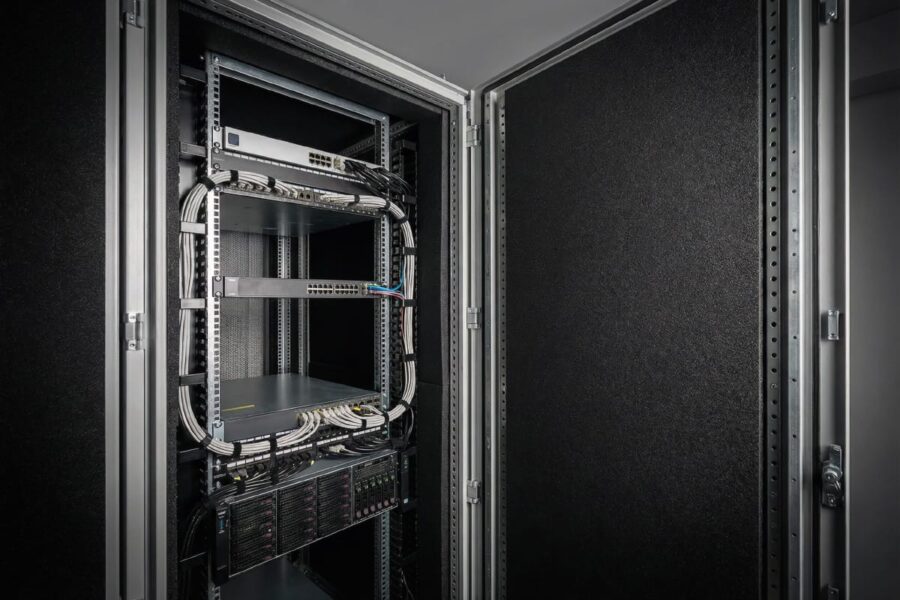
Server cabinets generate noise levels of 60–75 dB. For comparison, a normal conversation is around 60 dB. The cooling fans for servers operate continuously, and their hum can effectively disrupt the comfort of an entire room. It is therefore not surprising that more and more IT administrators are turning to acoustic materials, seeking a quick and inexpensive solution.
The most commonly chosen material is sound-absorbing acoustic foam made of polyurethane. It is lightweight, easy to install, and available in various profiles. However, before lining the interior of a server cabinet with it, one must thoroughly understand how these materials work and what their limitations are in a specific environment like a standing cabinet.
The answer to the question of their effectiveness is neither simple nor straightforward. Polyurethane foams can genuinely reduce noise, but only when used correctly and in conjunction with other methods. The proper selection of material, thickness, and installation method directly impacts the final result.
Does Acoustic Foam Actually Absorb Sound from Server Cabinets
Server cabinets present an acoustically challenging environment. Metal walls reflect sound, fans generate noise at various frequencies, and vibrations travel throughout the entire structure. Sound-absorbing acoustic foam made of polyurethane does indeed reduce some of this noise, but its effectiveness depends on understanding the absorption mechanism.
How Sound Absorption Works in Polyurethane Structure
Polyurethane foam is composed of millions of tiny, open cells. Sound waves enter the material’s structure and are converted into thermal energy through the friction of air molecules against the cell walls. The acoustic energy is not reflected back but literally dissipates within the material.
The sound absorption coefficient for open-cell foams can reach values from 0.7 to as high as 0.95 for specific frequencies. A value of 0.95 means that 95% of the sound wave’s energy is absorbed by the material. Such efficiency makes polyurethane foams one of the best acoustic absorbers available on the market.
The surface profile of the foam directly affects its absorption effectiveness. Foams with wave or pyramid patterns lengthen the path of the sound wave within the material. The increased contact surface translates to a higher degree of absorption. ABM Insulation offers acoustic foams in wave and pyramid profiles that exhibit very good sound absorption parameters.
What Frequencies Does Sound-Absorbing Polyurethane Foam Absorb
Sound-absorbing polyurethane foam is primarily effective for mid and high frequencies. Fan noise, the whistling of airflow, or high-frequency noise from drives are the ranges where the foam works most effectively.
Low frequencies, below 250 Hz, require significantly thicker layers of material to be effectively absorbed. The mechanical vibrations of hard drives and power supply transformers generate precisely these low tones. Polyurethane foam alone, even 50 mm thick, will not fully absorb them.
Foam Absorption Frequency Ranges
| Frequency | Range | Effectiveness of 30–50 mm foam |
|---|---|---|
| Low | below 250 Hz | Poor to moderate |
| Medium | 250–2000 Hz | Good to very good |
| High | above 2000 Hz | Very good to excellent |
Server cabinets emit noise across a wide frequency spectrum. To achieve real noise reduction, a combination of foam with a material of greater surface mass, capable of damping low frequencies, is necessary. A polyurethane absorber alone will reduce bothersome noise but will not eliminate all noise sources.
What is the difference between sound absorption and acoustic insulation
Many people confuse sound absorption with acoustic insulation. These are two entirely different physical phenomena that lead to different effects. Failing to distinguish between them leads to choosing the wrong material and being disappointed with the results.
Acoustic absorption involves absorbing sound waves within a room or enclosure, reducing echo and reverberation. Acoustic insulation is the containment of sound, preventing it from penetrating a barrier into an adjacent space. Acoustic soundproofing foam made of polyurethane performs absorption, not insulation.
In practice, this means that foam lining the inside of a server cabinet will reduce reverberation and partially absorb the acoustic energy generated by the equipment. The noise emitted by the cabinet to the outside will be reduced, but not completely blocked. To effectively contain sound from escaping, materials with high mass, such as butyl mats, are needed.
Properties of polyurethane foams relevant to server cabinet soundproofing
The effectiveness of sound-absorbing polyurethane foam in server cabinets does not depend solely on the fact that it is used. Several technical parameters of the material are important, determining whether the soundproofing effect will be real or merely illusory. When choosing foam for a server cabinet, each of these parameters should be evaluated separately.
Density and thickness versus noise damping effectiveness
Foam density is expressed in kilograms per cubic meter (kg/m³) and directly affects its acoustic properties. Low-density foams, around 15–25 kg/m³, primarily absorb high frequencies. Foams with a density of 30–60 kg/m³ handle a wider range of frequencies much better.
Material thickness is the second key parameter. Foam 10–20 mm thick is effective for high tones. A thickness of 30–50 mm provides absorption across a broad band of mid and high frequencies. ABM Insulation offers acoustic sound-absorbing foams in thicknesses from 10 to 50 mm, allowing for material selection based on specific needs.
For server cabinets, it is also important how much space the foam occupies inside the enclosure. A thick layer takes up space needed for air circulation. A layer of 20–30 mm offers a practical compromise between acoustic effectiveness and maintaining the airflow of ventilation channels.
Temperature resistance and fire safety of acoustic materials
Servers generate significant amounts of heat. The temperature inside a server cabinet can reach 40–50°C during intensive equipment operation. Polyurethane foam should have thermal resistance suitable for these conditions.
Fire safety is an aspect that must be prioritized when installing any material inside a server cabinet. Foams used in such locations should have a minimum fire retardancy rating of M1 or an equivalent certification. ABM Insulation acoustic foams meet fire retardancy requirements, making them safe for use inside technical enclosures.
Safety parameters for server cabinet foam:
- Fire retardancy rating suitable for technical applications
- Thermal resistance of at least 80–100°C
- No emission of toxic gases at elevated temperatures
- Shape and structure stability under prolonged heat exposure
Foam that loses its properties at elevated temperatures can begin to crumble and contaminate electronic equipment. Fragments of disintegrating foam entering server cooling systems can cause serious damage. Selecting foam with the appropriate thermal and fire certification is a requirement, not an option.
Surface profiling and its impact on sound absorption
The surface of acoustic foam can be flat or profiled. Profiles such as waves, pyramids, or wedges are not purely aesthetic. Profiling increases the effective contact area with sound waves, which directly translates to better absorption.
Wave-profiled foam, offered by ABM Insulation, extends the path of sound waves within the material. The longer the path, the more acoustic energy is absorbed. Pyramids work similarly, with their pointed ends scattering sound waves before they reach the foam’s smooth base.
For server cabinets, where space is limited, it is advisable to opt for wave-profiled foams with a thickness of 20–40 mm. They provide good absorption parameters without taking up excessive space inside the enclosure. Flat foam of the same thickness will have lower effectiveness for the same material volume.
Durability of foams under continuous equipment operation
A server cabinet operates continuously, 24 hours a day, 365 days a year. Acoustic materials installed inside must retain their properties for many years without replacement. Polyurethane foam of appropriate quality meets this requirement, but not all types of foam are suitable for such conditions.
The main threat to foam durability is the combination of constant heat and airflow. Cheap, low-density foams eventually crumble and lose their structural elasticity. High-quality foams, such as those offered by ABM Insulation, maintain their absorptive properties and structural integrity for many years of use.
Limitations of polyurethane foams in server cabinets
The use of sound-absorbing acoustic foams inside a server cabinet brings real benefits, but it is not a complete solution. Foams have clearly defined effectiveness limits, and their improper application can even worsen the situation. Understanding these limitations can help avoid costly mistakes.
Why Sound-Absorbing Foam Alone Isn’t Enough for Complete Soundproofing
Sound-absorbing foam reduces noise inside an enclosure but does not create a sealed acoustic barrier. A server cabinet has ventilation openings, gaps around the doors, and cable pass-throughs. Every opening in the enclosure is a channel through which sound can freely escape. Foam inside the cabinet will not close these pathways.
Acoustic absorption alone can reduce the noise level inside the cabinet by 5–10 dB. A subjectively perceived halving of noise requires a reduction of about 10 dB. This means that foam alone gets close to this threshold but does not exceed it without support from other methods.
Proven Methods to Supplement Foam Absorption:
- Sealing gaps in cabinet doors with acoustic seals
- Applying butyl mats to the metal surfaces of the cabinet as a vibration-damping layer
- Installing acoustic silencers on ventilation openings
- Replacing standard fans with low-noise models
Server cabinets with effective soundproofing combine foam absorption with an insulating barrier. Butyl mat applied to the metal panels of the cabinet dampens vibrations and reduces sound transmission through the walls. Polyurethane sound-absorbing foam applied over the butyl mat layer creates a system that handles both absorption and partial insulation.
The Risk of Equipment Overheating with Improper Foam Application
Covering the inner walls of the cabinet with acoustic foam reduces the surface area through which the metal enclosure dissipates heat to the surroundings. Foam acts as a thermal insulator. Where metal freely dissipated heat, a layer of foam restricts this process.
Foam installed in locations that block airflow between fans and equipment leads to equipment overheating. Servers respond to increased temperatures by reducing performance or shutting down due to thermal overload. Ill-considered foam installation can therefore directly threaten the stability of the entire infrastructure.
Before installing foam in a server cabinet, the ventilation system must be planned. Foam should not be installed on the inner ceiling of the cabinet if warm air exiting the servers passes through there. The rear panel, side panels, and front door are the best mounting locations, provided that air channels remain unobstructed.
Comparison of Foams with Other Materials Used in Cabinet Soundproofing
Polyurethane foams are not the only material used in soundproofing server cabinets. Other materials have different properties and serve different acoustic functions. Comparing their parameters helps in selecting the right combination.
| Material | Main Function | Low-Frequency Effectiveness | High-Temperature Safety |
|---|---|---|---|
| Polyurethane foam | Sound absorption | Moderate | Depends on foam grade |
| Butyl mat | Vibration damping, insulation | Good | Good |
| Rubber foam | Thermal and acoustic insulation | Good | Very good |
ABM Insulation butyl mat is a high surface density material that effectively dampens vibrations of metal cabinet walls. Applied directly to the enclosure panels, it reduces the transmission of mechanical vibrations. ABM Insulation rubber foam exhibits good temperature resistance, maintains a sealed cellular structure, and does not crumble under prolonged heat exposure.
Combining butyl mat as the first layer with polyurethane or rubber foam as the absorption layer provides a comprehensive soundproofing effect. The butyl mat handles vibrations and low frequencies, while the foam reduces mid and high frequencies. This multi-layer composition is significantly more effective than foam alone.
Tip: Before installing any acoustic material inside a server cabinet, measure the internal temperature of the enclosure under load. If it exceeds 45°C, it is necessary to upgrade the cooling system before or concurrently with the foam installation.
Effective Acoustic Materials for Server Cabinet Soundproofing from the ABM Insulation Store
ABM Insulation is a manufacturer and supplier of insulation materials, operating since 2010. The company specializes in acoustic and thermal insulation in the automotive, industrial, and construction sectors. Since 2012, it has been supplying customers in Western European markets, and its products reach recipients throughout the European Union and the United States of America. Orders are processed within 24 hours of purchase.
The ABM Insulation Store features four groups of materials that together form a complete noise reduction system. Each product is available in various thicknesses and formats, allowing for precise adaptation of the solution to the specific dimensions and needs of the server cabinet.
ABM Insulation Products for Server Cabinet Soundproofing
ABM Insulation’s offering includes materials with different acoustic functions that complement each other.
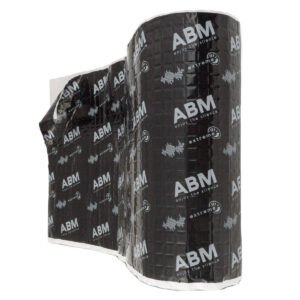
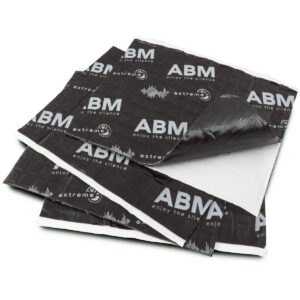
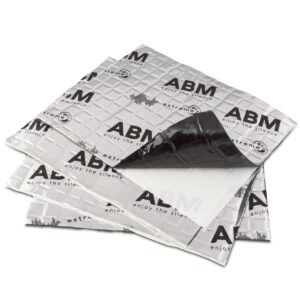
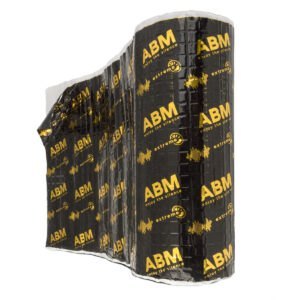
ABM Professional Butyl Mats: self-adhesive, high-density soundproofing mats designed to dampen vibrations and resonances of metal enclosure panels. Resistant to fluids, mold, and temperatures from -40°C to 170°C.
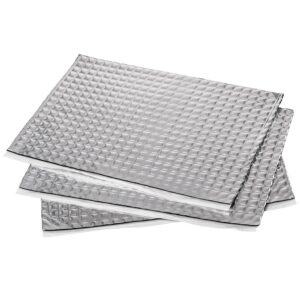
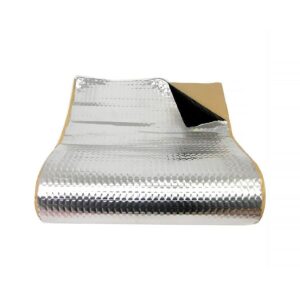
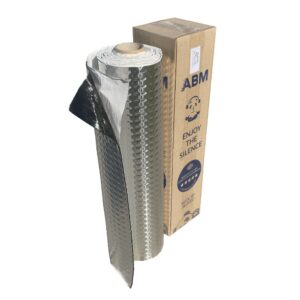
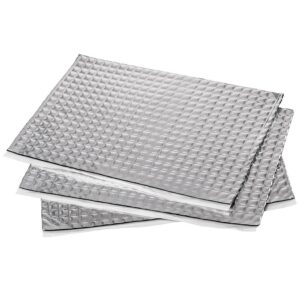
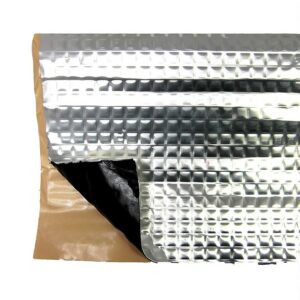
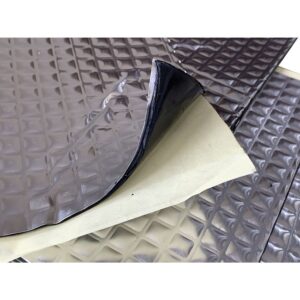
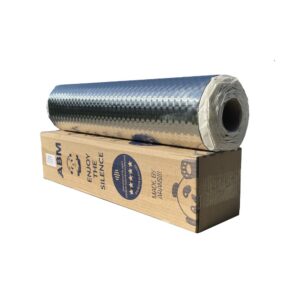
ABM Xtreme Butyl Mats: a premium, asphalt-free material resistant to cracking. Easy to install without heating, with a strong adhesive layer. Designed for the most demanding acoustic applications.

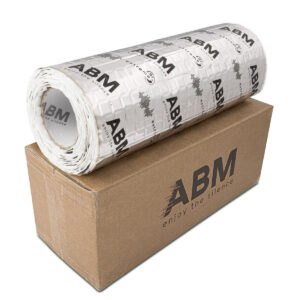
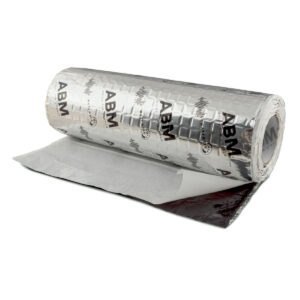


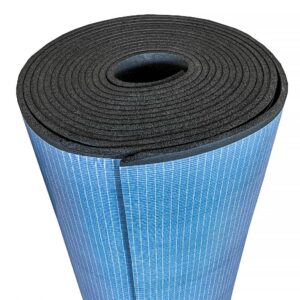
Insulating Rubber Foams: a closed-cell, self-extinguishing material combining acoustic and thermal properties. Safe for use inside technical enclosures.


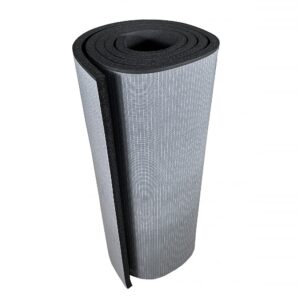
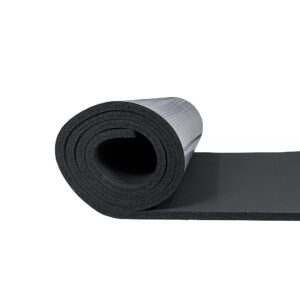
ABM Rubber Foam. Acoustic Insulation Self-adhesive, 32mm, 0.5m2
Acoustic Foams and Panels: polyurethane foams in wave and pyramid profiles, available in thicknesses from 10 to 50 mm. They have a ready-made self-adhesive layer, which facilitates installation in tight spaces within the cabinet.
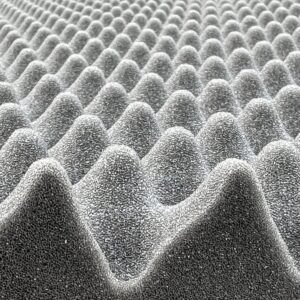
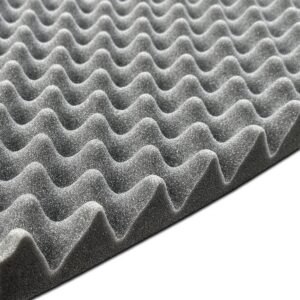
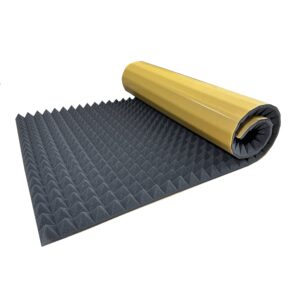
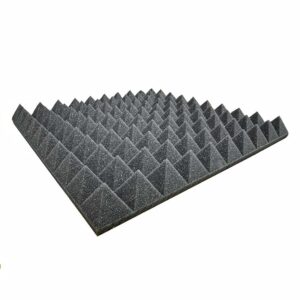
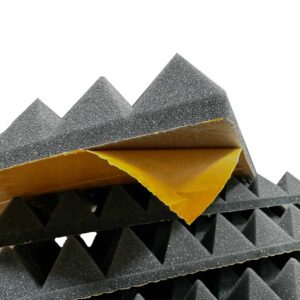
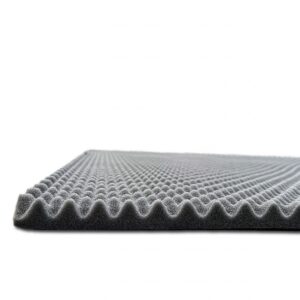
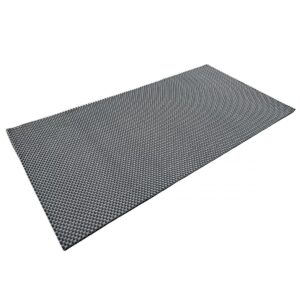
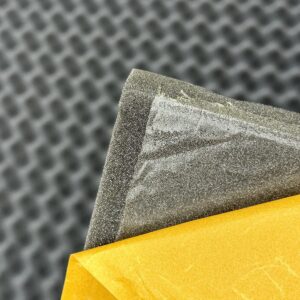
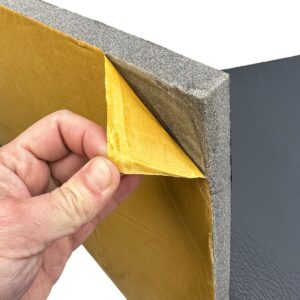
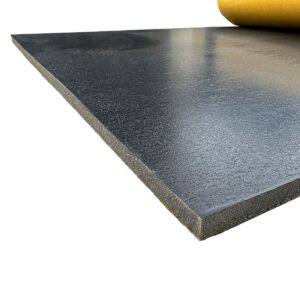
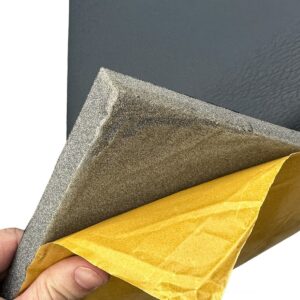
The butyl mat, as the first layer, absorbs vibrations from the metal walls. Rubber foam complements thermal and acoustic insulation. Acoustic foam applied as the outer layer absorbs sound waves in the mid and high-frequency range. Each material performs a different function, and together they form a multi-layer system with significantly higher effectiveness than any single product.
ABM Insulation offers a 5-year warranty on its own brand products. All materials have safety certificates and are free from toxic substances, which is particularly important for applications inside enclosures with operating electronic equipment.
Service, Consultation, and Orders
ABM Insulation customers can count on professional support in selecting materials for specific applications. A team of specialists helps choose the right combination of products and thicknesses, tailored to the cabinet dimensions and the nature of the generated noise. This technical consultation is particularly useful for more complex soundproofing projects.
Orders are processed quickly, and delivery within the European Union is efficient, without unnecessary delays. The regularly updated store inventory ensures access to the latest solutions in acoustic and thermal insulation.
ABM Insulation products for soundproofing server cabinets can be ordered directly through the online store. If you have questions about selecting materials or the quantities needed for a specific project, ABM Insulation specialists provide free technical consultations.
Practical Principles for Using Acoustic Foams in Server Cabinets
Properly planning the foam installation in a server cabinet is half the battle. Well-chosen sound-absorbing acoustic panels installed in the wrong places will not yield the desired results. Installation planning should always begin with an analysis of noise sources and airflow paths.
Which Server Cabinet Surfaces Are Worth Lining with Acoustic Foam
Not every surface inside a server cabinet is suitable for lining with foam. The priority is flat metal panels, which reflect sound and resonate with vibrations. The rear wall of the cabinet is where acoustic waves directly from server fans reach.
Recommended Foam Installation Locations:
- The rear interior wall of the cabinet (behind installed equipment)
- Side interior panels, not obscured by equipment
- The interior side of the front and rear doors
- The area above the last cabinet-mounted device (internal ceiling)
Foam must not be installed directly at fan inlets and outlets or at ventilation openings in power strips. Any area through which cooling air actively flows must remain free of acoustic materials. Violating the unobstructed flow in these zones risks overheating the equipment.
Mounting Sound-Absorbing Acoustic Panels Inside the Cabinet
Sound-absorbing acoustic panels for server cabinets are most commonly installed using a self-adhesive layer or specialized contact adhesives. ABM Insulation self-adhesive foams have a pre-applied adhesive layer, which significantly simplifies installation in the tight space of a cabinet.
Before applying adhesive, the surface must be clean, dry, and degreased. Metal cabinet walls are often coated with anti-corrosion agents or an oily production coating. Inadequate degreasing of the surface will cause the foam to peel off after a few weeks. Cleaning with isopropyl alcohol yields the best results.
Foams are cut with a sharp knife or scissors for thicker materials. Cutting along a ruler ensures straight edges and a neat installation. Gaps between foam sheets should be as small as possible, as any gap is a place where sound can bypass the absorbent layer.
Combining Foams with Other Soundproofing Methods for Better Results
Comprehensive soundproofing of a server cabinet requires a multi-layered approach. Acoustic sound-absorbing foam works well as an absorption layer, but its effectiveness increases manifold when combined with other materials and solutions.
The ABM Professional butyl mat, applied to the metal cabinet walls as the first layer, dampens sheet metal vibrations and resonances. The acoustic foam is then mounted on top of it, absorbing sound waves before they reflect off the wall. This two-layer system can reduce noise by 12–18 dB, which is a noticeable difference in acoustic comfort.
Layer order for comprehensive server cabinet soundproofing:
- Degrease and prepare the metal surfaces of the cabinet
- Apply the butyl mat directly to the enclosure panels
- Install the soundproofing acoustic panels made of polyurethane foam onto the mat
- Seal gaps in doors and the cabinet frame using acoustic seals
- Check the internal cabinet temperature under full equipment load
Ventilation must be planned from the outset. After installing the foam, it is recommended to check the internal cabinet temperature while the servers are operating under full load. If the temperature has increased by more than 5°C, it is necessary to improve cooling by installing an additional fan or upgrading the existing system.
Tip: Install a sound level meter in front of the cabinet door and take a measurement before and after installing the foam. Even a simple smartphone app will allow you to assess the real effectiveness of the soundproofing and decide if additional layers of material are needed.
FAQ: Frequently Asked Questions
Is polyurethane foam effective for soundproofing a server cabinet?
Polyurethane foam effectively absorbs sound, but it is not a complete solution for a server cabinet. Its action is based on absorbing sound waves, mainly in the mid and high frequencies, which include the noise of fans and airflow. With proper installation, noise reduction ranges from 5 to 10 dB.
Complete soundproofing of a server cabinet requires combining foam with other materials, such as butyl matting, and sealing gaps in the doors and enclosure. Foam alone, applied inside the cabinet, improves acoustic comfort but does not block sound from escaping through ventilation openings.
How thick should acoustic foam be for a server cabinet?
The thickness of the foam directly affects the range of absorbed frequencies. Foam 10–20 mm thick primarily reduces high tones, while a layer of 30–50 mm provides effective absorption across a wide band of mid and high frequencies.
For server cabinets, a thickness of 20–30 mm is optimal. This layer strikes a balance between acoustic effectiveness and preserving space for airflow. Foam that is too thick can restrict ventilation channels and lead to increased internal temperatures within the enclosure.
Can foam in a server cabinet cause equipment overheating?
Polyurethane foam also functions as a thermal insulator. When installed on the metal walls of the cabinet, it reduces heat dissipation through the enclosure. If foam is installed in areas of active airflow, the temperature inside the cabinet can rise to levels that endanger the equipment.
Before installing foam, you must carefully map the airflow routes within the cabinet. Foam should not be installed near fan inlets or outlets, ventilation openings, or in areas of direct equipment cooling. After installation, it is recommended to measure the internal cabinet temperature while servers are operating under full load and check if it has increased by more than 5°C.
What acoustic foams are suitable for the interior of a server cabinet?
Server cabinets operate continuously, and internal temperatures can reach 40–50°C. Foams used in such conditions must meet specific technical requirements. Thermal resistance of at least 80°C and an appropriate fire retardancy class are necessary to prevent fire hazards in case of equipment failure.
Low-density foams without thermal safety certifications degrade over time and can contaminate electronic equipment with material fragments. ABM Insulation’s sound-absorbing acoustic foams meet fire retardancy requirements and maintain structural stability during prolonged operation at elevated temperatures.
Do Acoustic Foams Absorb Server Cabinet Vibrations?
Mechanical vibrations generated by hard drives, fans, and power supplies propagate through the metal casing of the cabinet. Polyurethane foam primarily absorbs airborne sound waves, while its effectiveness in dampening structural vibrations transmitted through metal is limited.
Butyl mats, applied directly to the metal sheets of the cabinet, are used to dampen vibrations of the metal walls. Butyl mat absorbs mechanical vibrations and prevents metal panels from resonating. Combining a butyl mat as the first layer with acoustic foam as the absorption layer yields a significantly better effect than either material used separately.
Which Areas of a Server Cabinet Are Best Lined with Acoustic Foam?
The most effective results are achieved by lining the inner rear wall of the cabinet, side panels not covered by equipment, the inner side of the front and rear doors, and the area above the last installed device with foam. Metal surfaces in these areas strongly reflect sound and resonate with vibrations.
Foam is not installed near ventilation openings, fan inlets and outlets, or cable pass-throughs. Any area with active airflow must remain free of acoustic materials. Self-adhesive acoustic foams from ABM Insulation simplify installation in the confined space of a cabinet, eliminating the need for additional adhesives or fasteners.
Summary
Polyurethane foams are suitable for soundproofing a server cabinet, but only as part of a broader noise reduction system. On their own, they reduce reverberation inside the enclosure and absorb mid and high frequencies; however, they do not replace acoustic insulation or eliminate noise emitted from ventilation openings.
Effective server cabinet soundproofing combines sound-absorbing acoustic foams with butyl mat, sealing gaps, and an appropriately selected cooling system. The material must be thermally resistant, flame-retardant, and durable under continuous operation conditions. A well-planned installation will bring real noise reduction without the risk of overheating the equipment.
