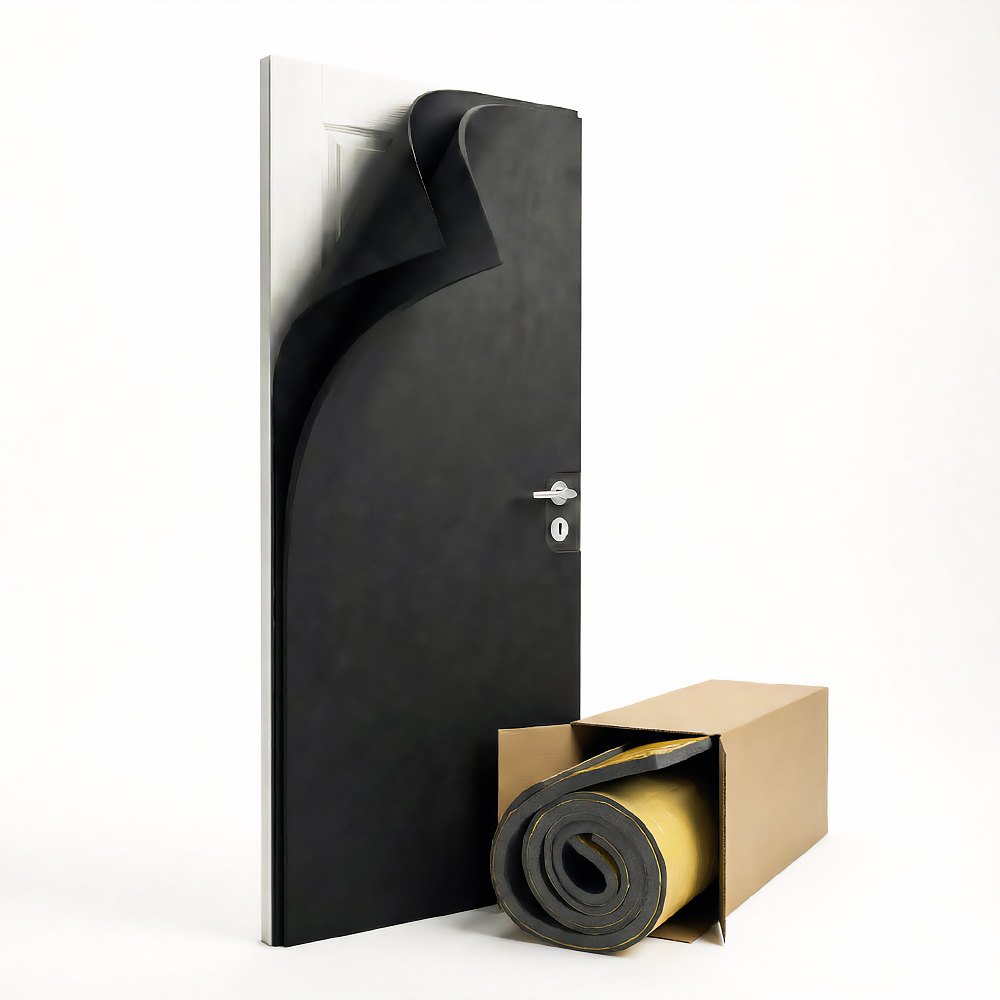
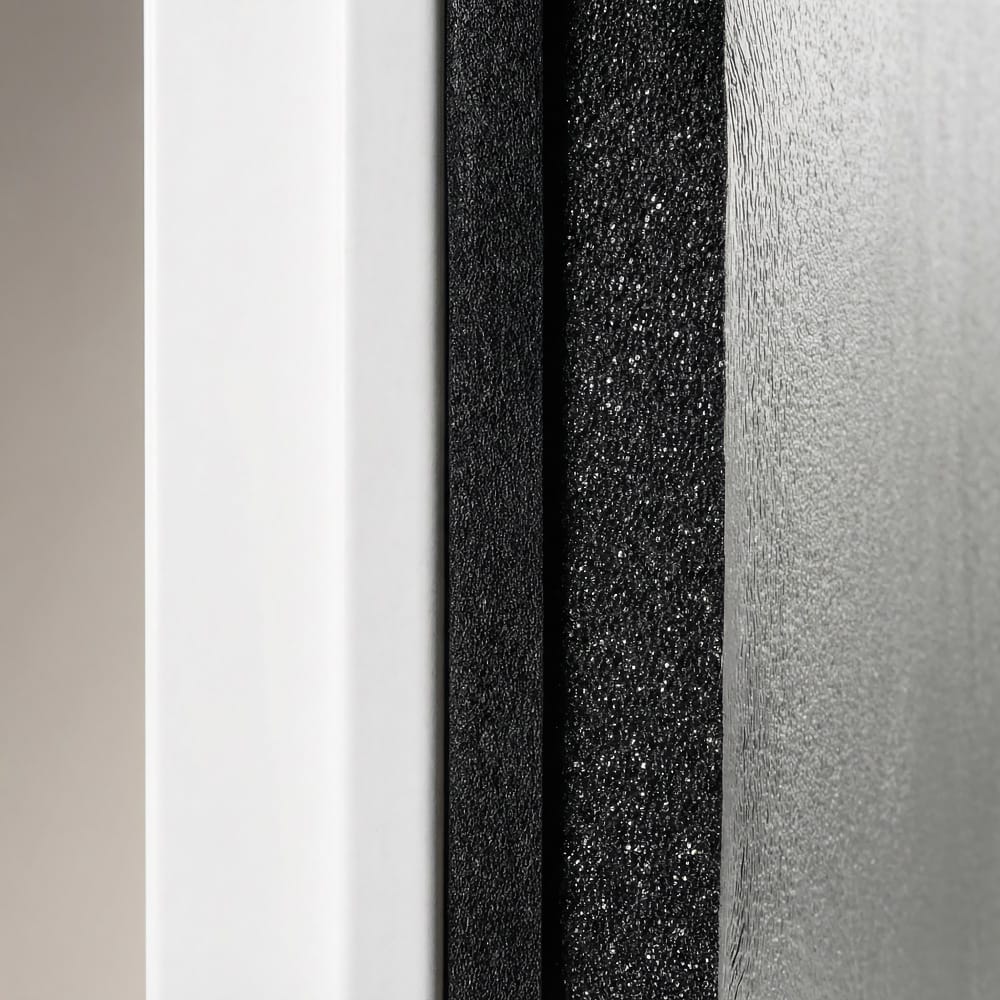
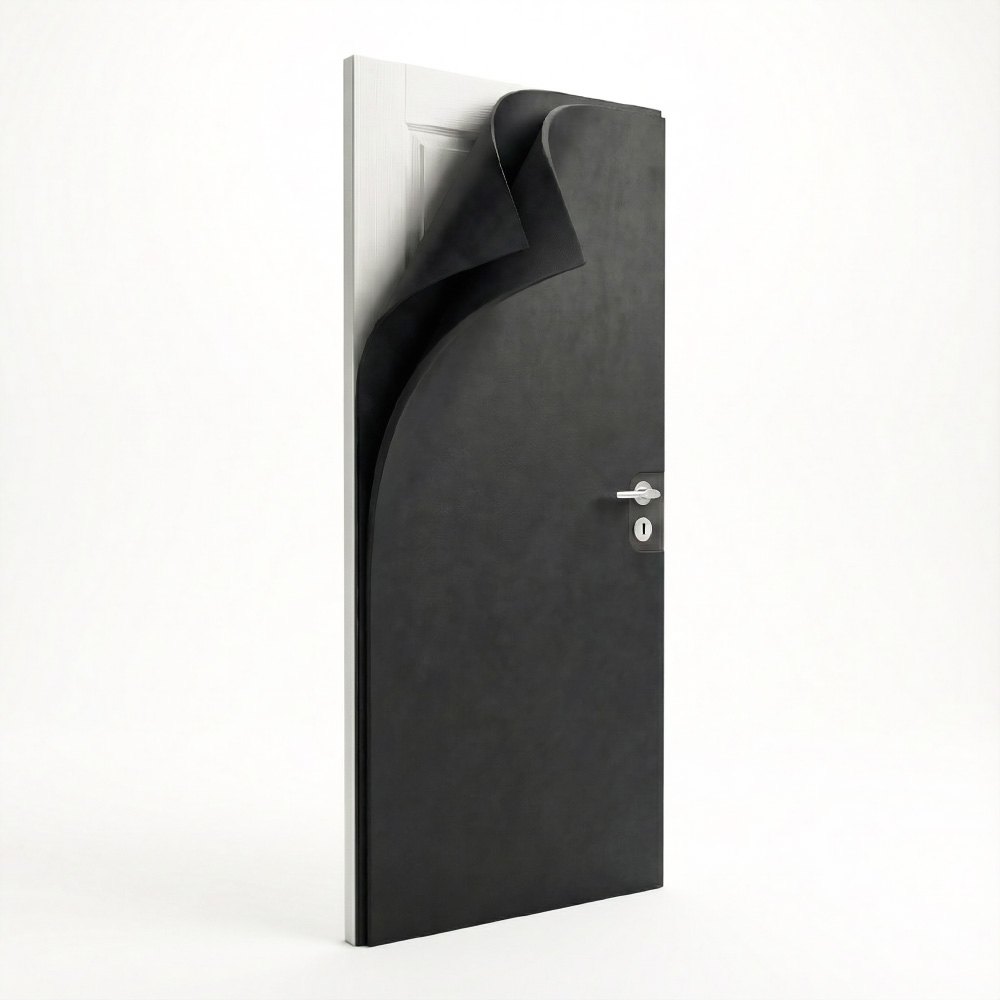
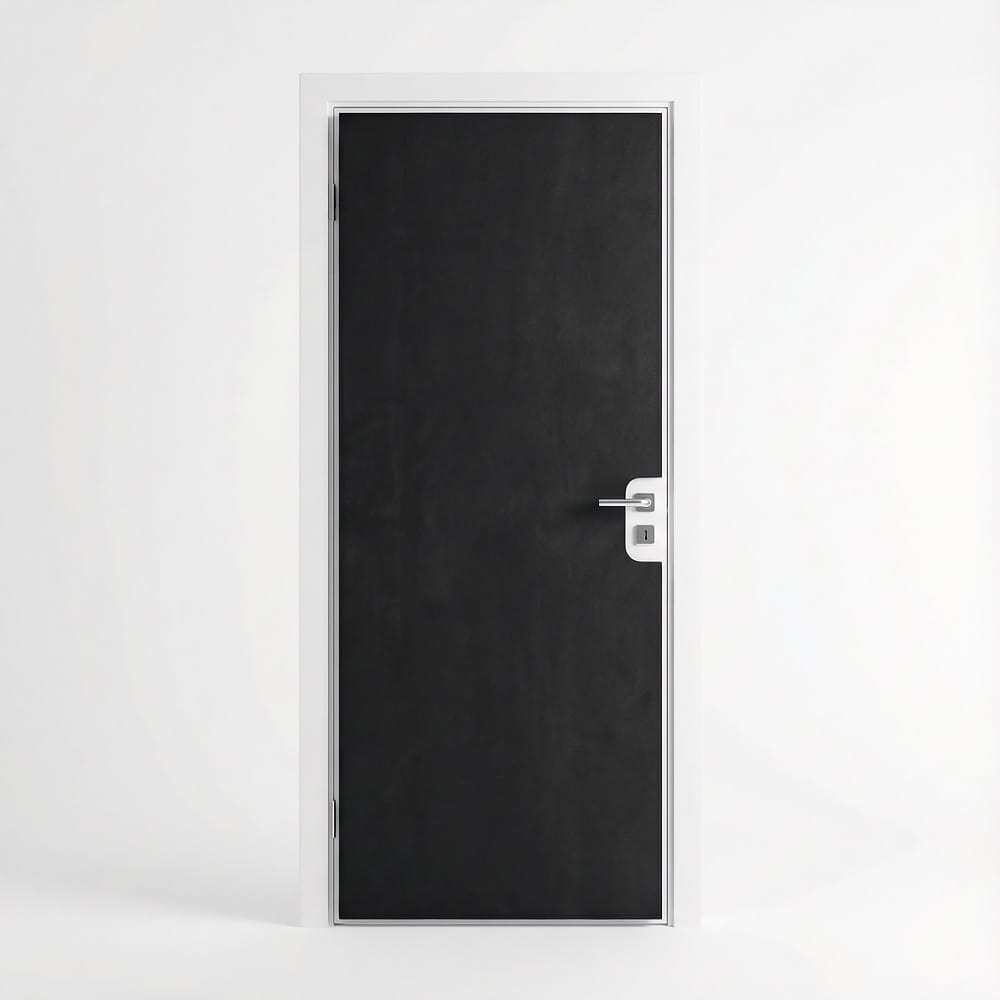
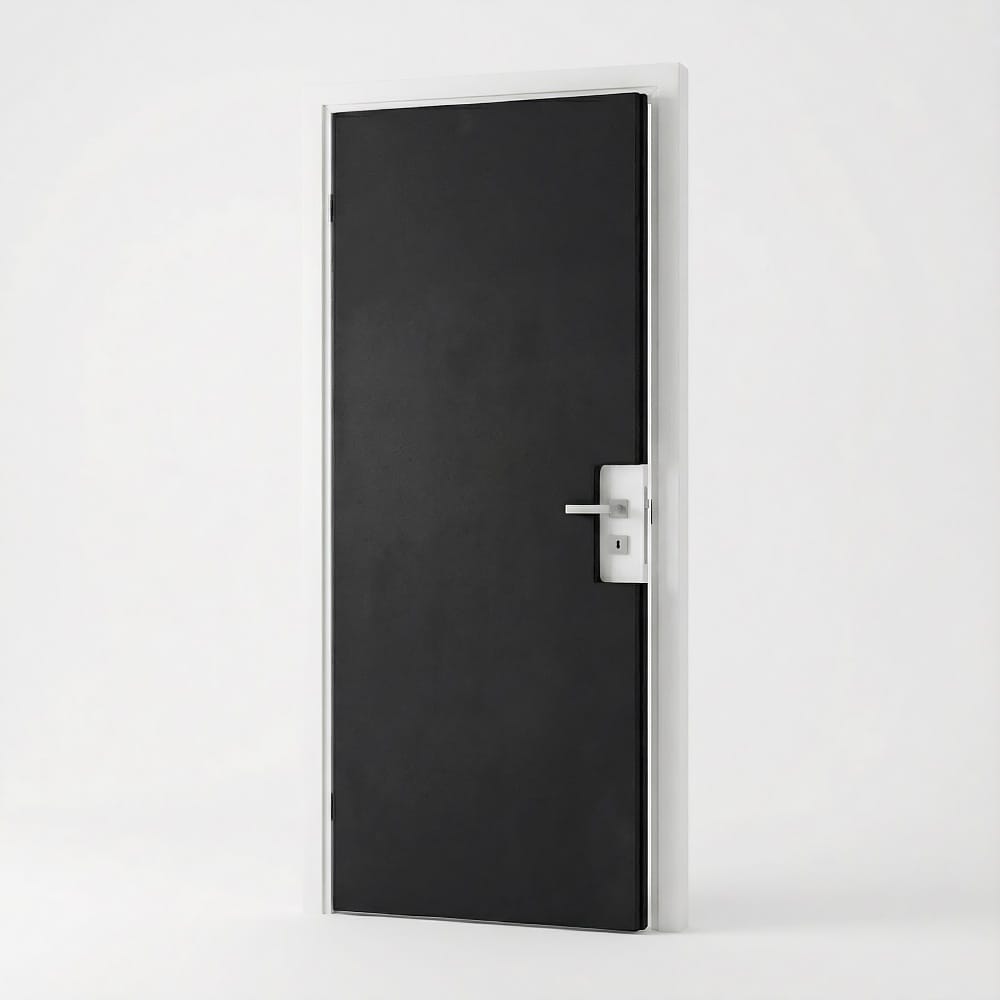
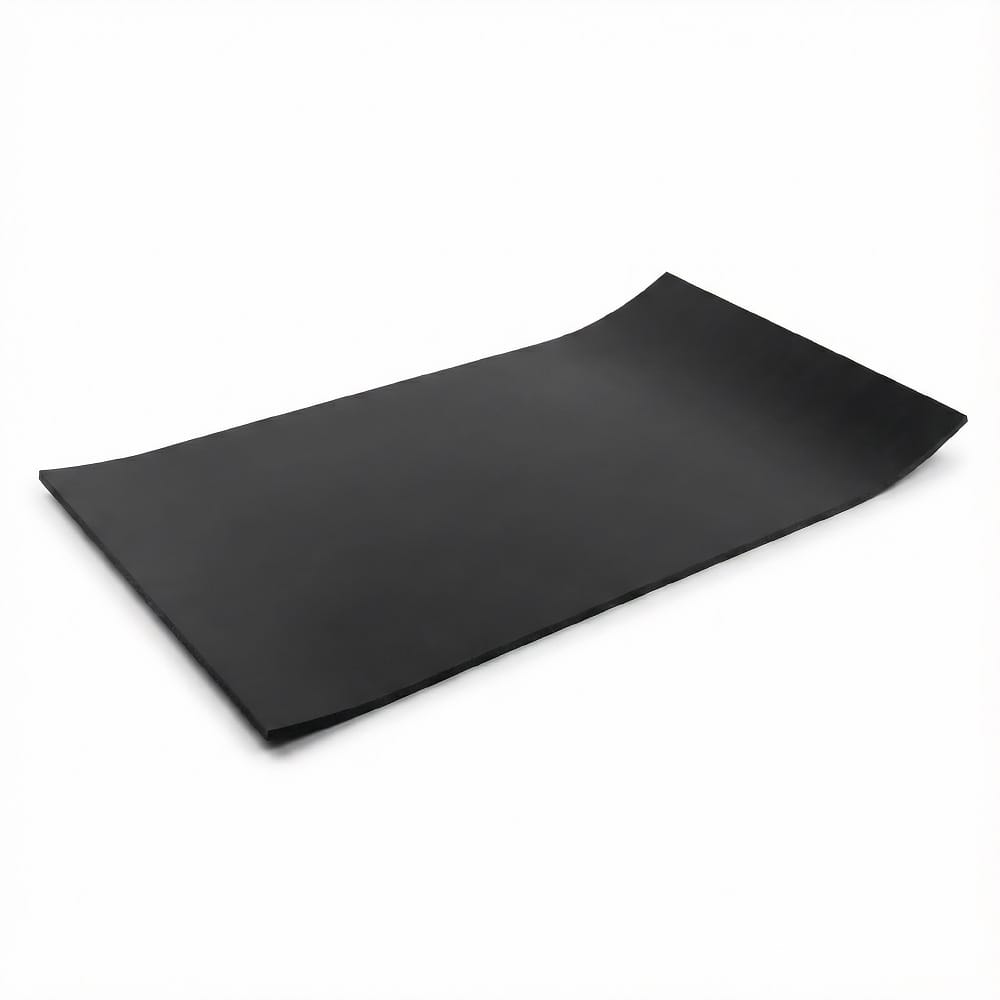
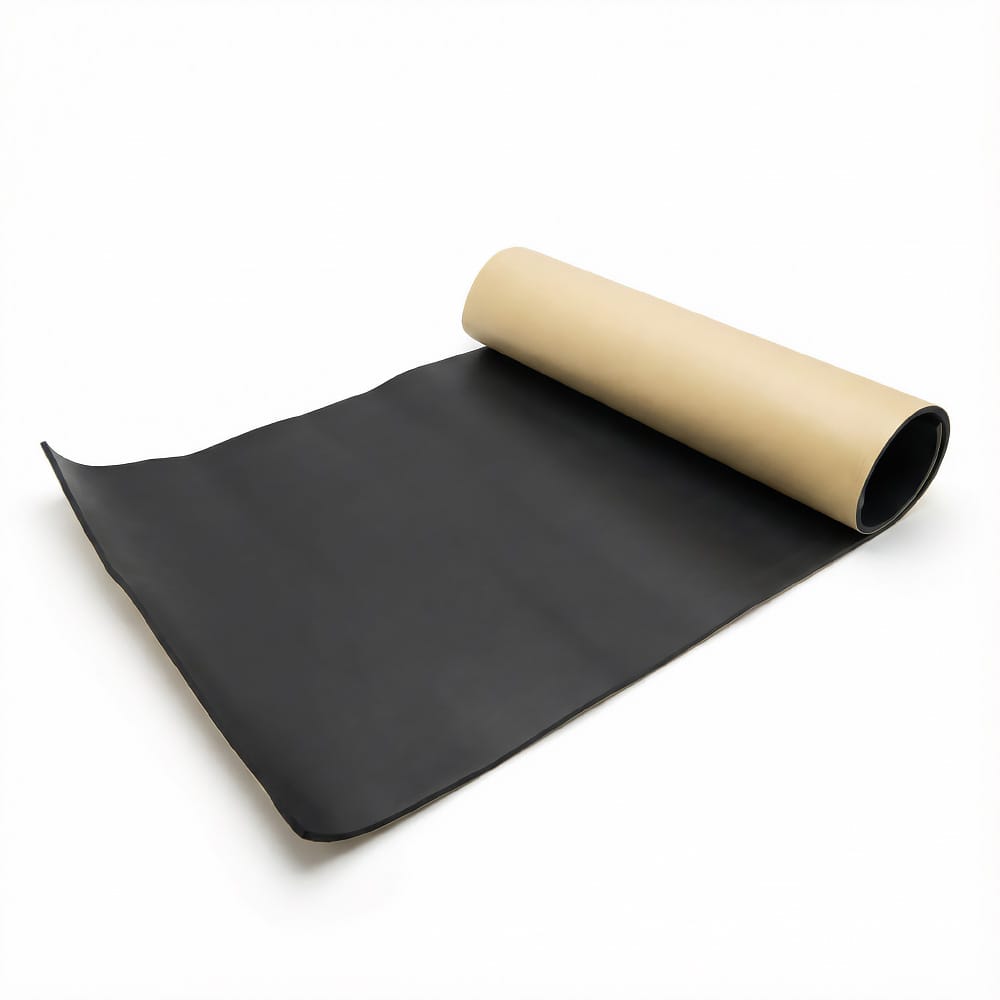
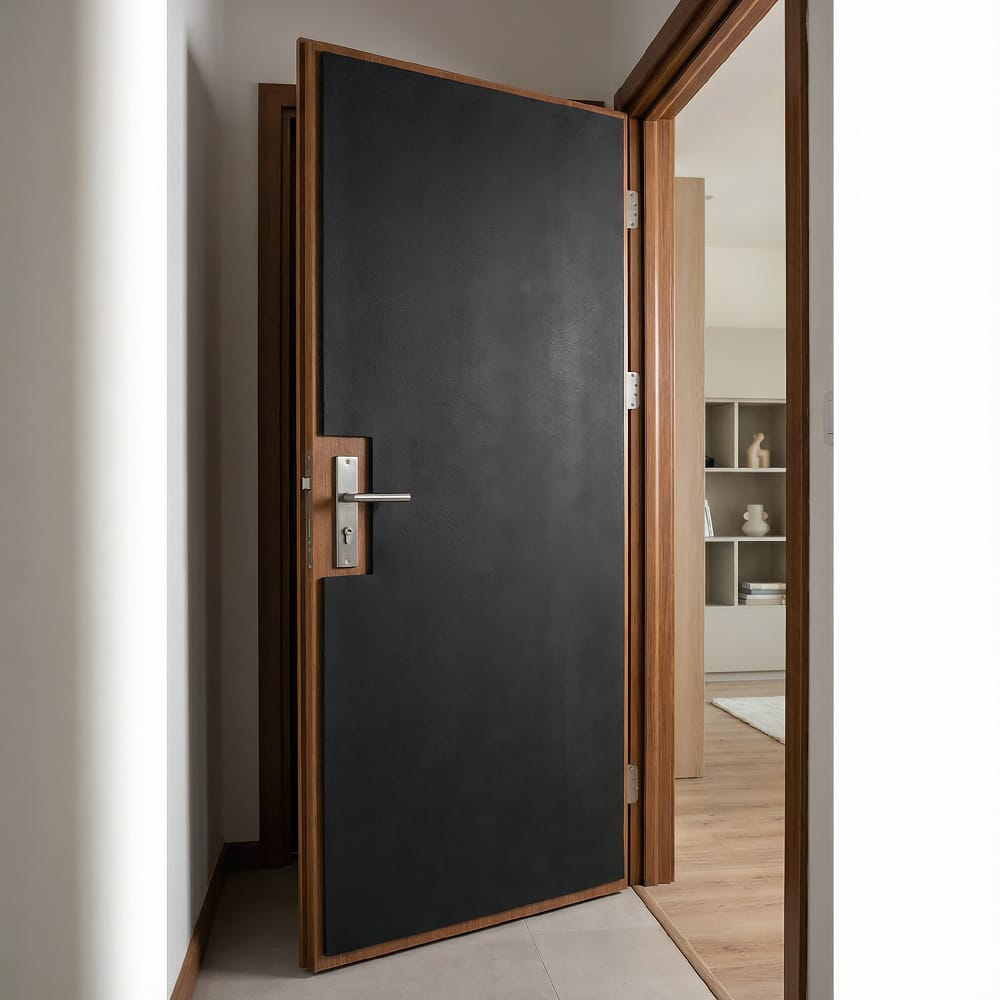
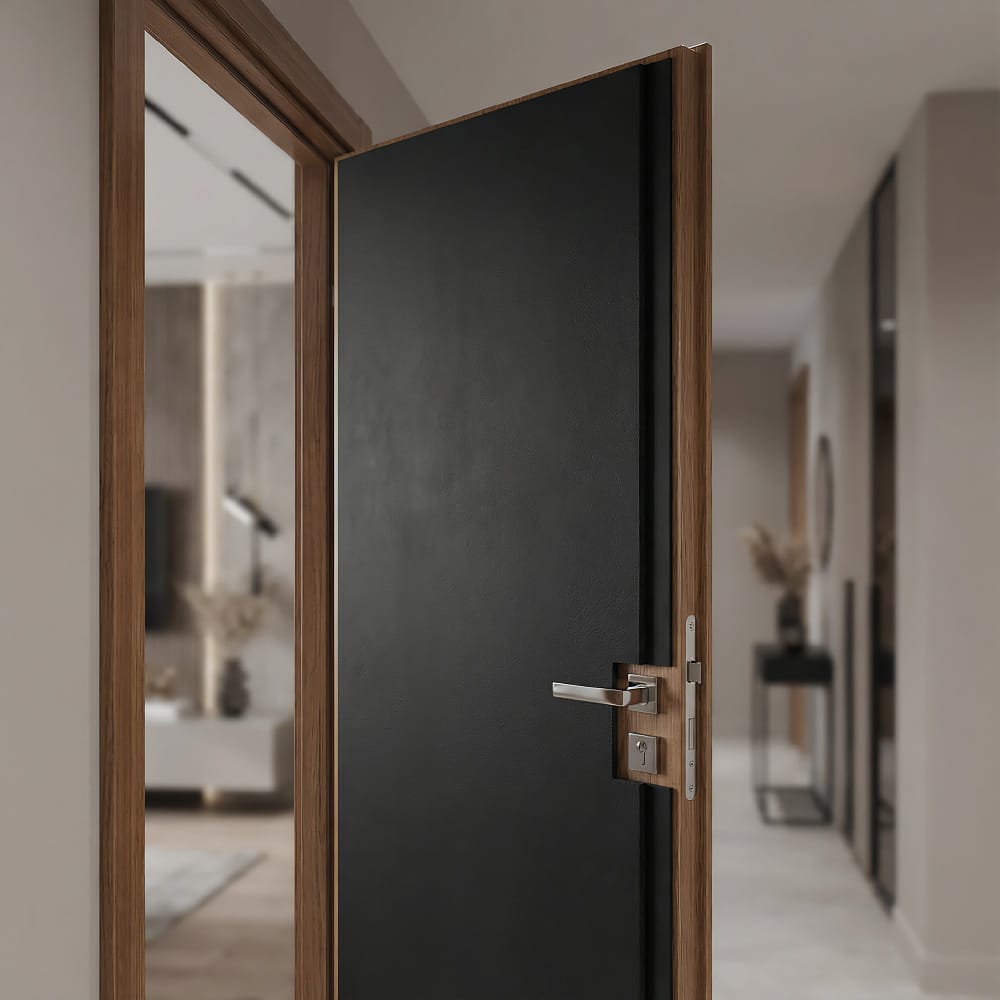
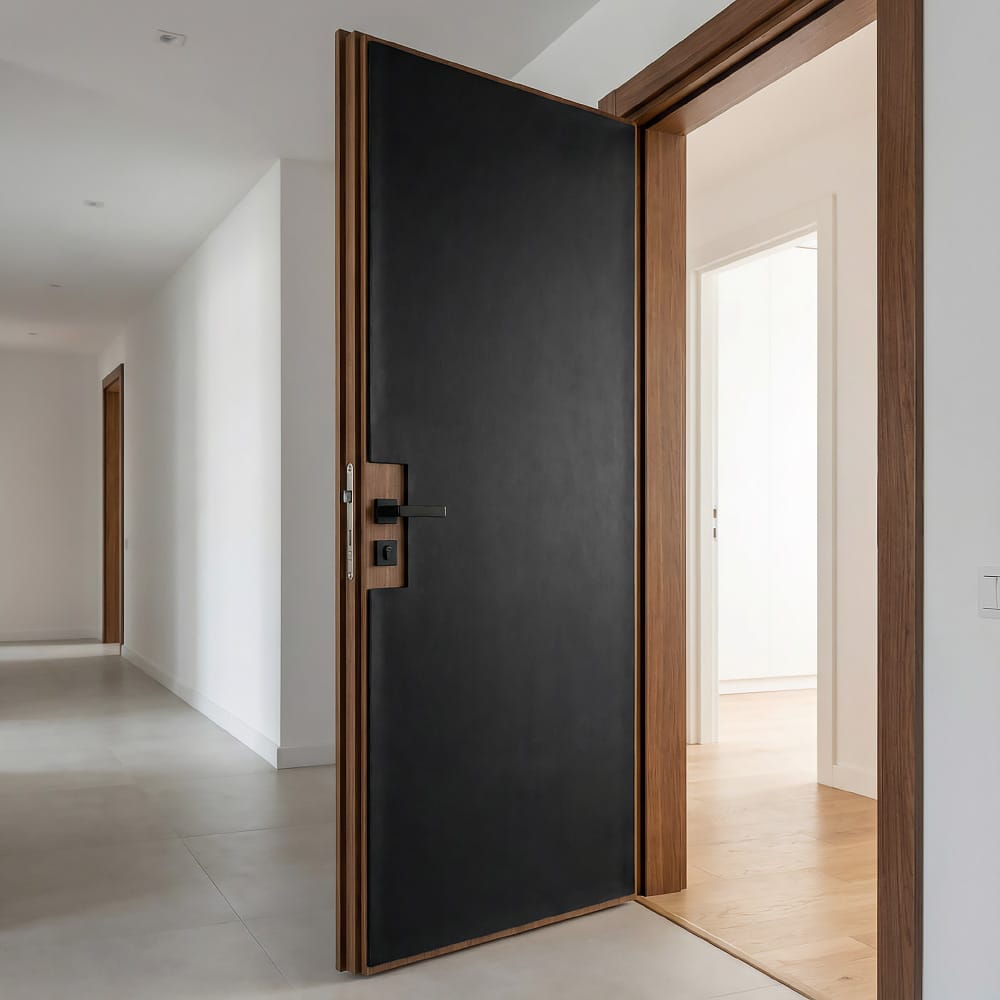
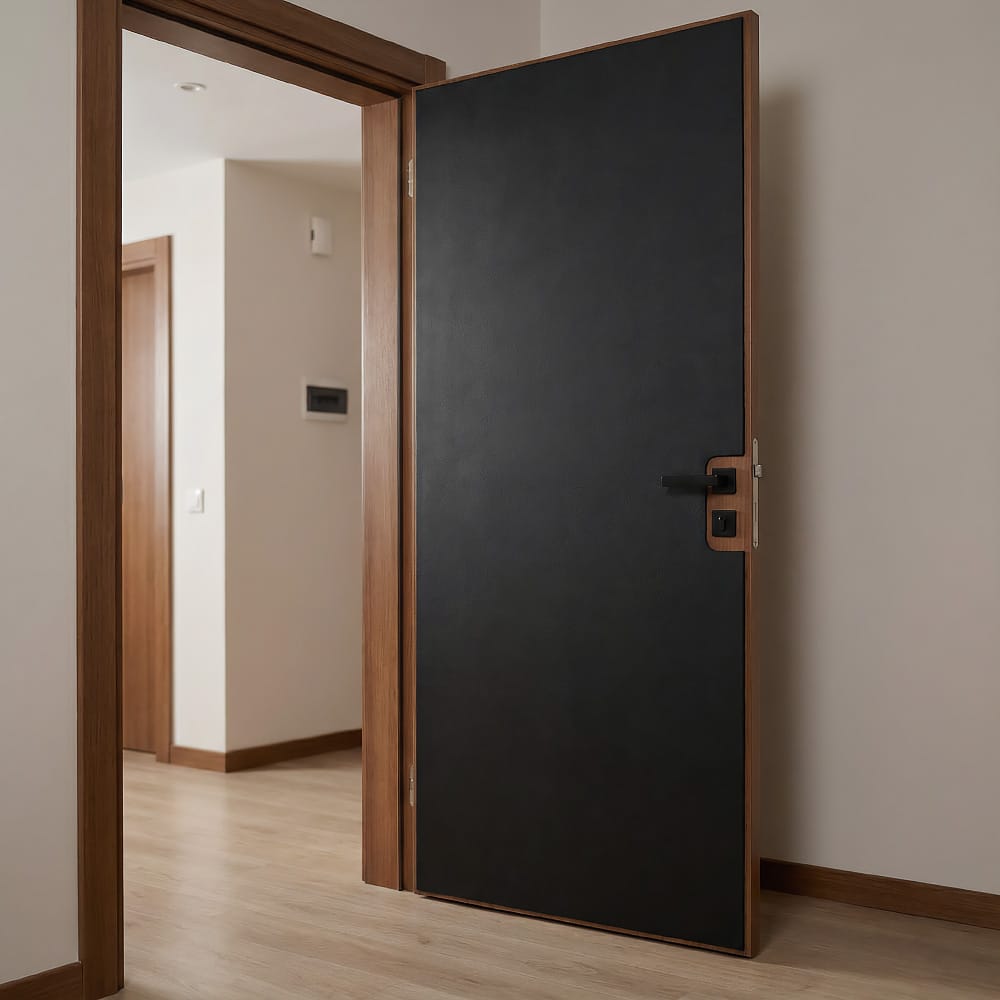
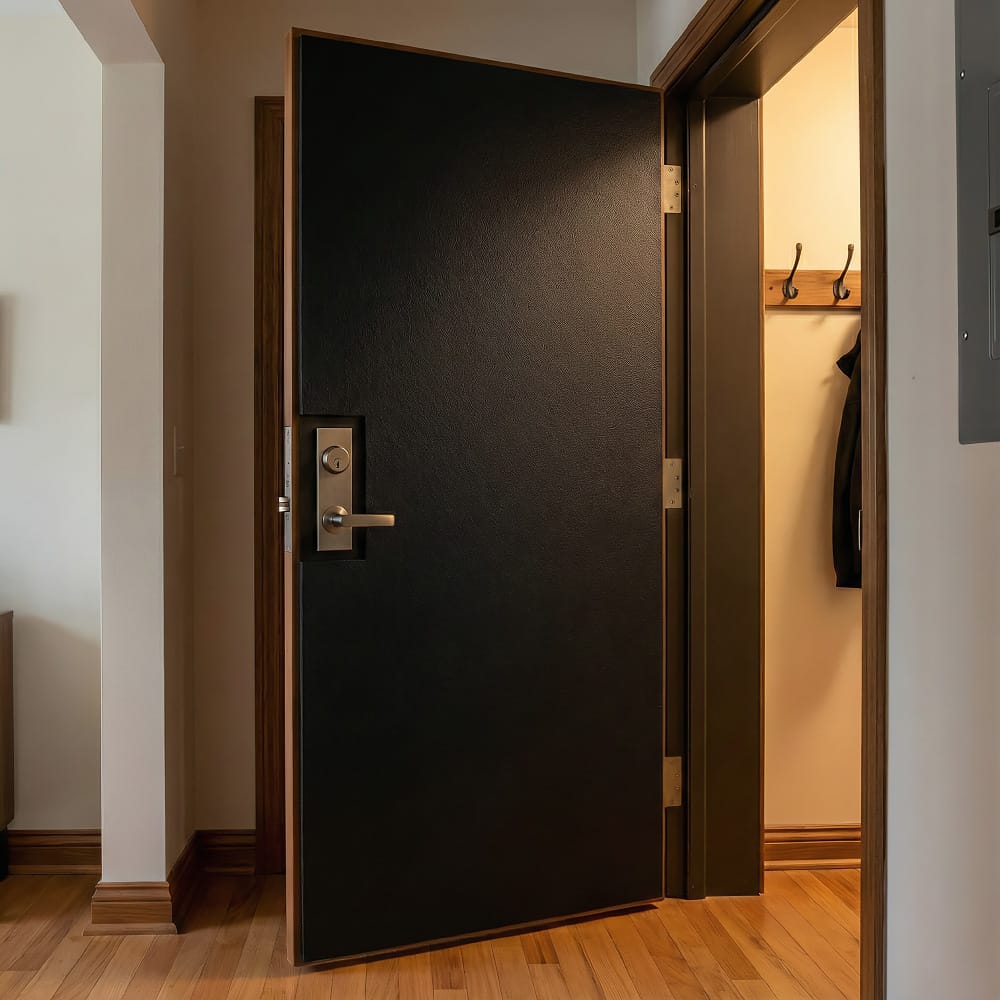
Set of materials for soundproofing room doors, 2×2m2, Black
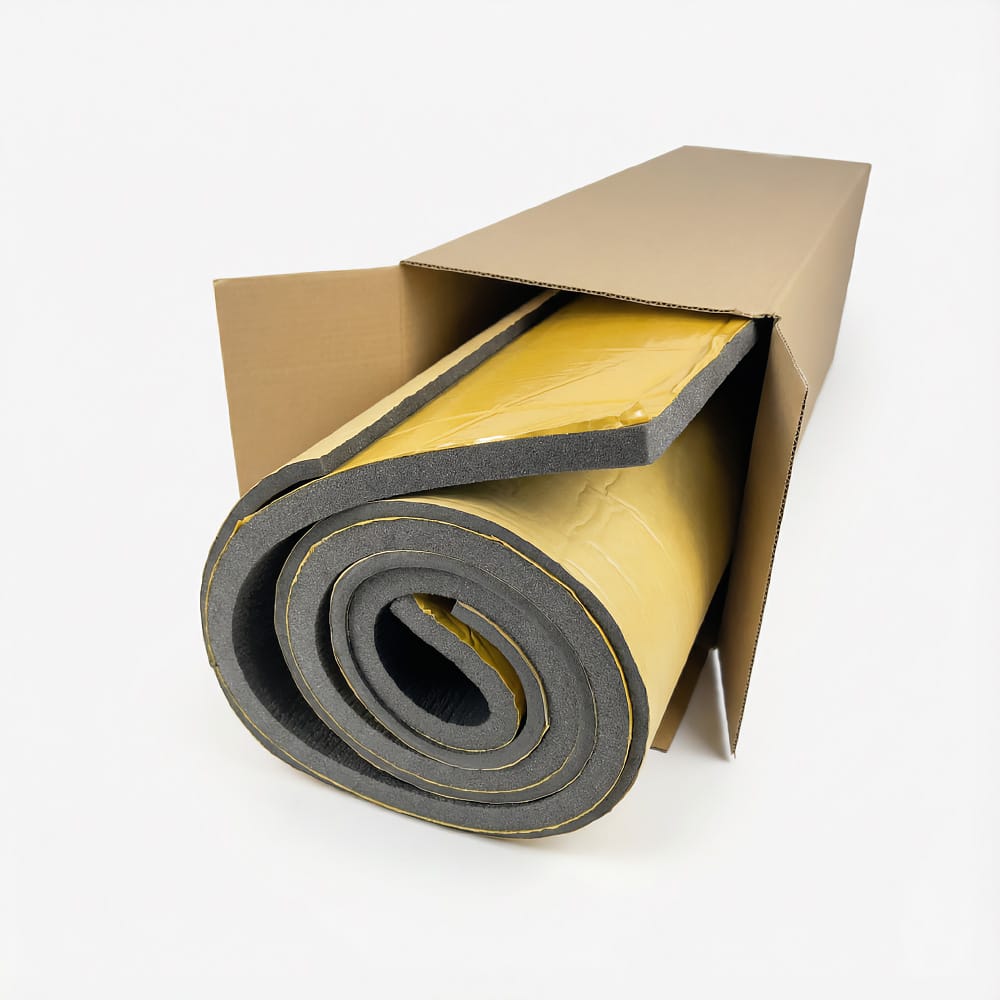
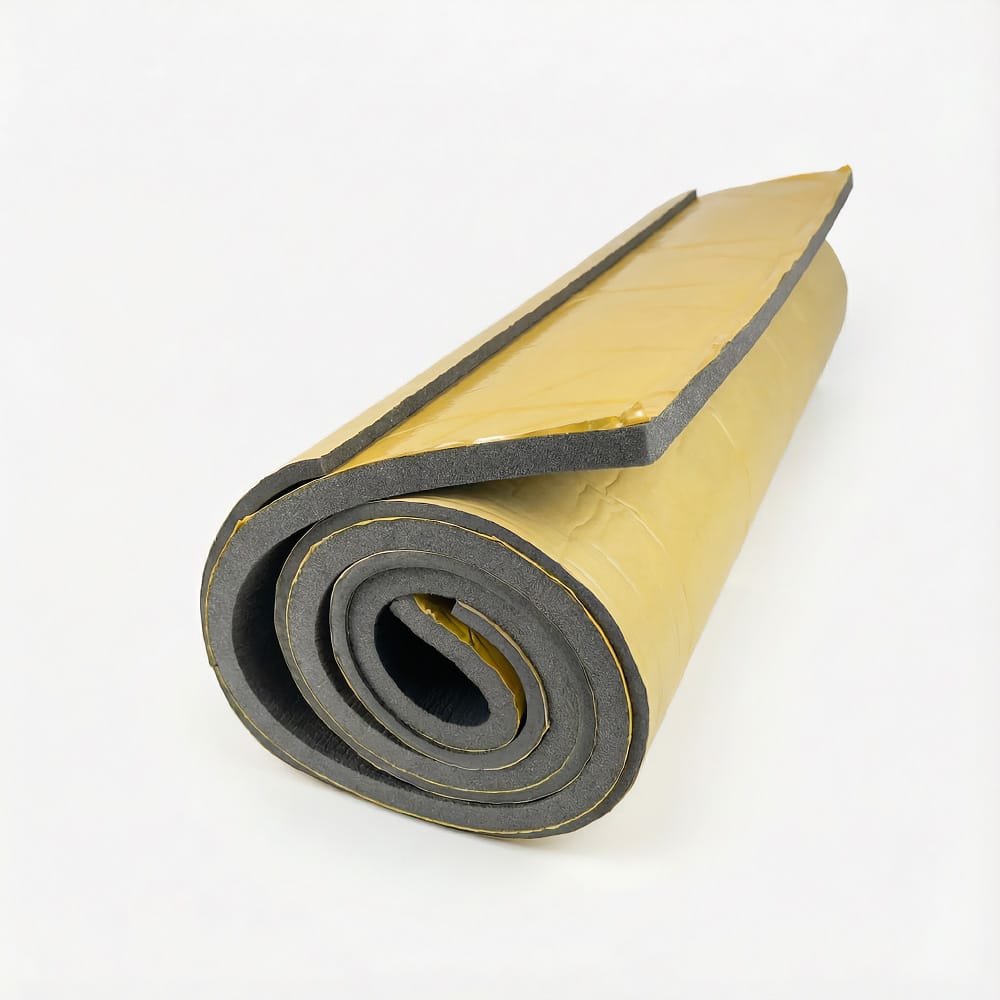
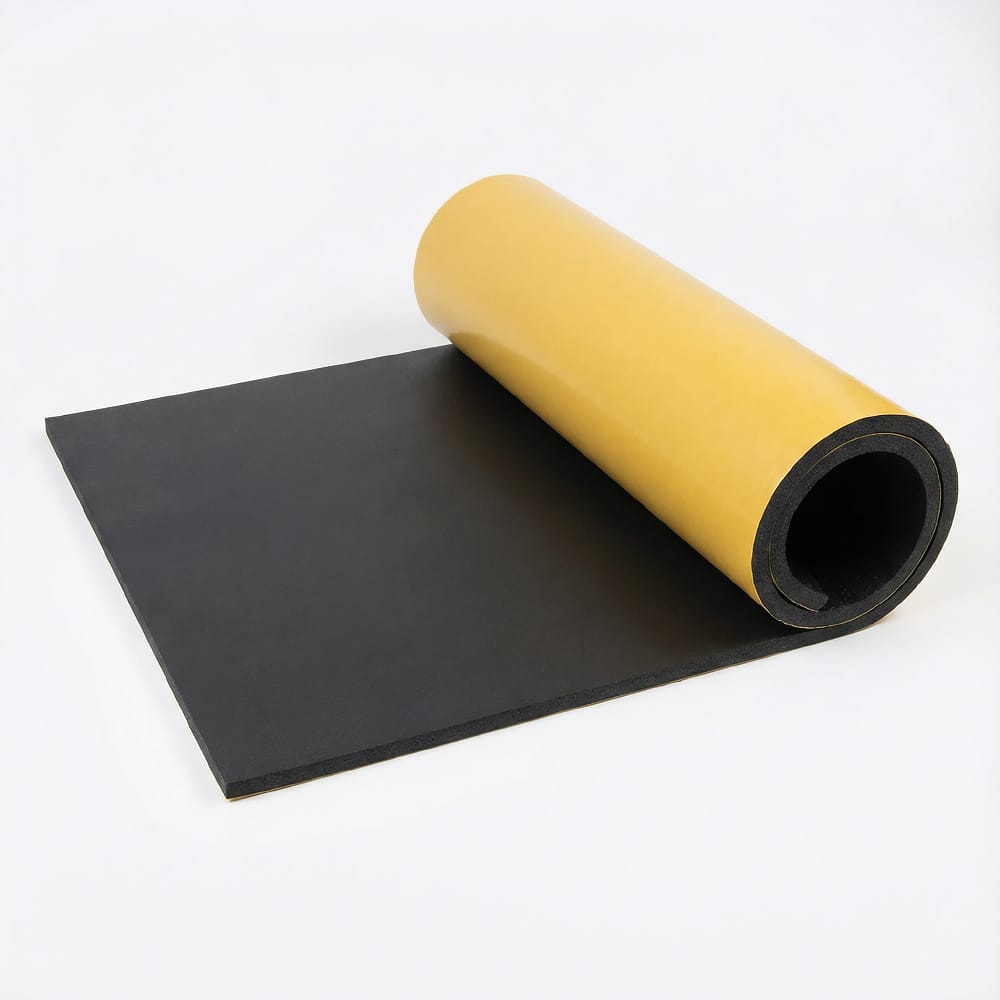
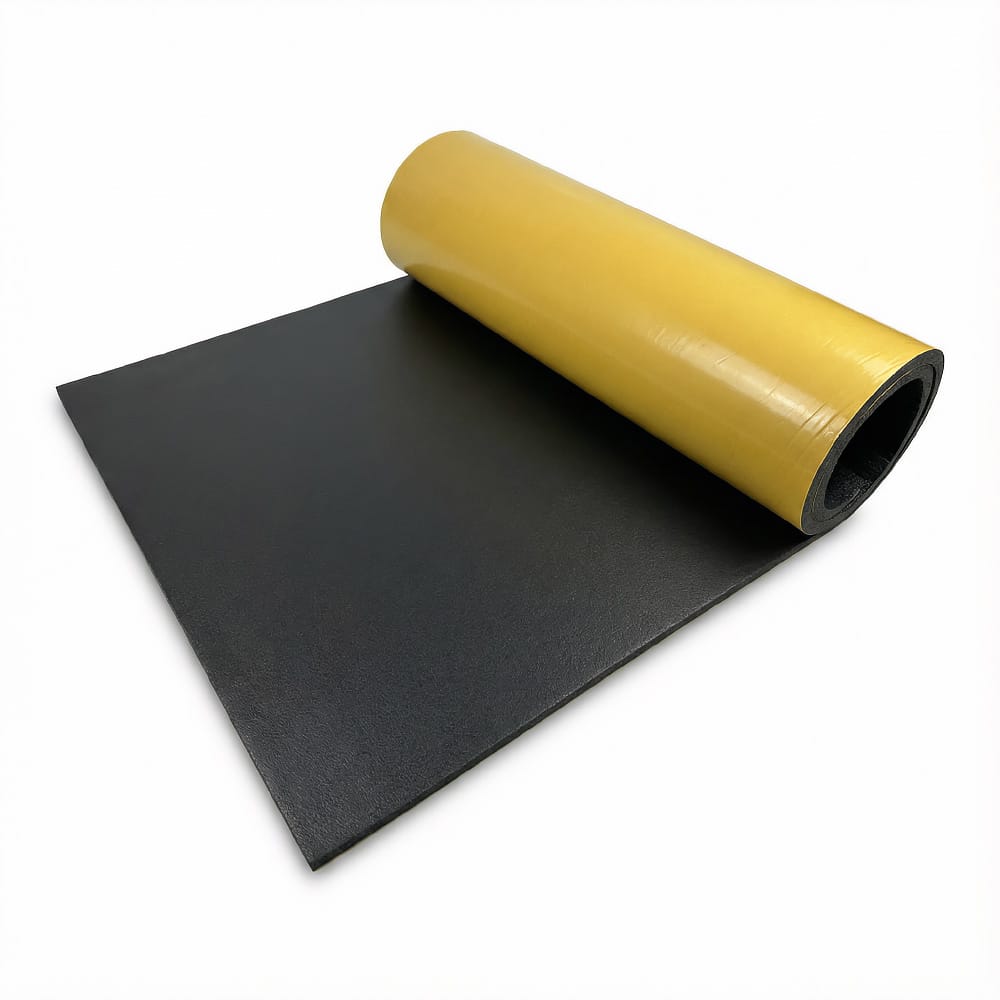
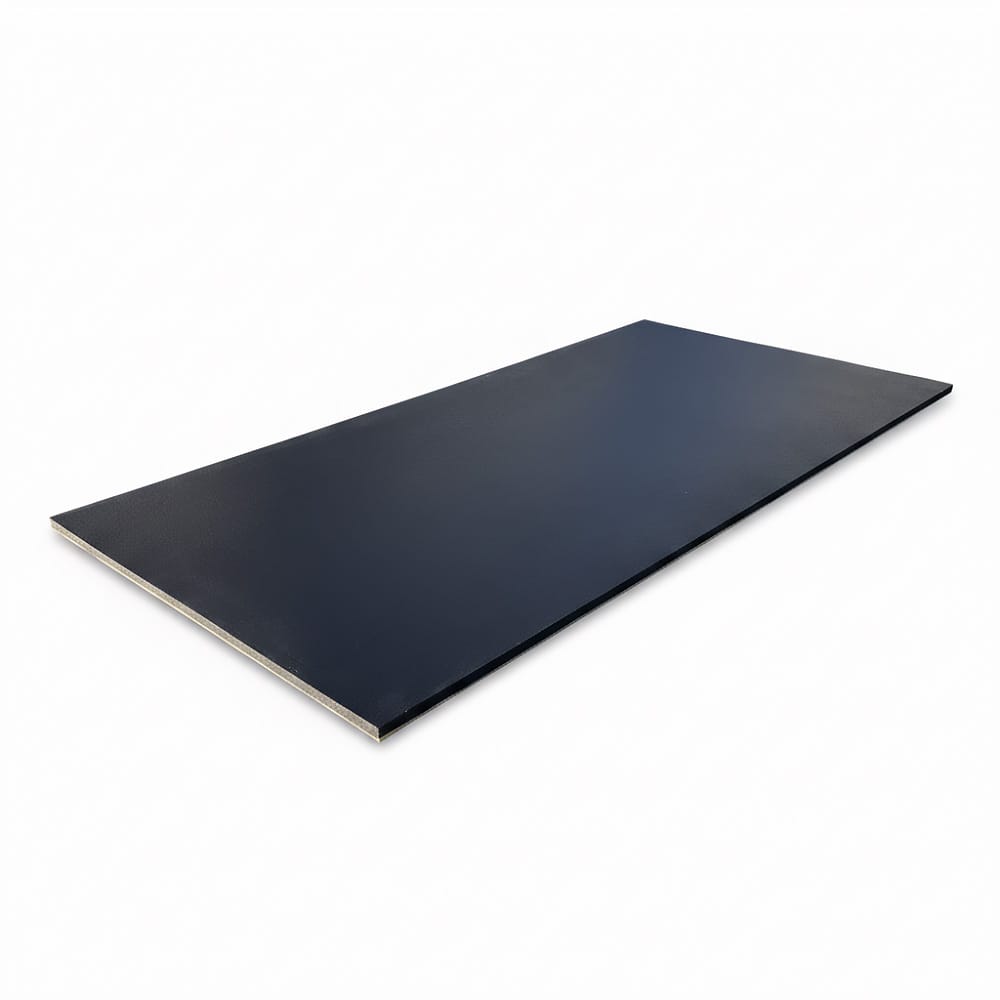
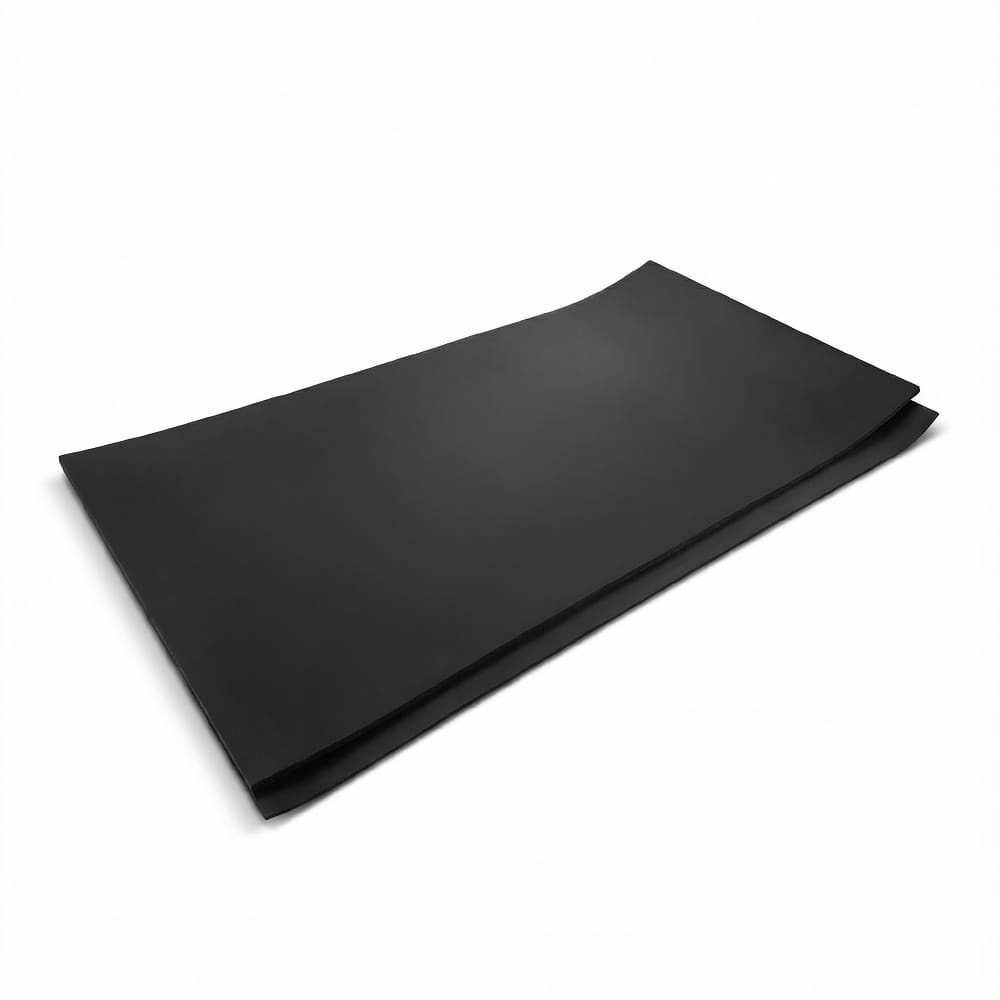
Set of materials for soundproofing room doors consists of two professional insulation layers. The first layer contains 10 mm thick self-adhesive rubber foam covering an area of 2 m². The second layer includes 20 mm thick sound-absorbing polyurethane foam, also 2 m². Together, they create a system of double acoustic and thermal insulation that reduces noise and heat loss. The set provides a total area of 4 m² of high-quality insulation materials. The black color of the foams is universal and aesthetically pleasing in any interior.
The materials have self-adhesive layers eliminating the need for additional adhesives. Rubber foam blocks the flow of sound and heat with its closed-cell structure. The density of the rubber layer ranges from 50 to 60 kg/m³. The flexible material perfectly adapts to various door surfaces. Polyurethane foam absorbs sound waves and reduces unwanted resonances. The PUR layer density reaches 25 kg/m³ with a weight of only 0.8 kg. Both materials are self-extinguishing and comply with European safety standards.
The system is suitable for soundproofing interior and exterior doors. Installation is quick without specialized tools or construction skills. The thermal conductivity of rubber does not exceed λ 0.036 W/mK according to EN ISO 13787 standard. Water absorption is a maximum of 0.1 percent, protecting against moisture. The materials withstand temperatures from minus 50°C to plus 110°C. The set meets the standards of the National Institute of Hygiene and the PN-EN 14304:2009 standard. The manufacturer ABM Insulation guarantees the highest quality workmanship and product durability.

Technical data
The set combines two types of insulating foams with complementary properties. Rubber foam acts as a barrier blocking the flow of sound and thermal energy. Polyurethane foam absorbs acoustic waves, reducing noise across a wide frequency range. The total thickness of the layers is 30 mm with an overall weight of 1.9 kg. The total surface area of the set covers 4 m² of standard residential doors.
| Parameter | Rubber foam 10 mm | Polyurethane foam 20 mm |
|---|---|---|
| Dimensions of a single sheet | 100 cm × 200 cm | 100 cm × 200 cm |
| Working surface | 2 m² | 2 m² |
| Material layer thickness | 10 mm | 20 mm |
| Single sheet weight | 1.1 kg | 0.8 kg |
| Material density | 50-60 kg/m³ | 25 kg/m³ |
| Thermal conductivity λ | ≤ 0.036 W/mK (EN ISO 13787) | – |
| Maximum water absorption | 0.1% | – |
| Temperature range working temperatures | from -50°C to +110°C (EN 14706) | standard room temperature range |
| Reaction to fire | D-s3, d0 (EN 13501-1), self-extinguishing | max. 100 mm/min |
| Vapor diffusion resistance µ | ≥ 7000 (EN 12086, EN 13469) | – |
| Stiffness at 40% compression | – | 3.0-3.8 kPa |
| Permanent deformation 50% | – | below 6% |
| Tensile strength | – | minimum 90 kPa |
| Relative elongation at break | – | minimum 120% |
| Flame resistance | Self-extinguishing, no flaming droplets | Maximum 100 mm/min |
| Material pH | Neutral | Neutral |
| Chemical composition | Waterproof rubber foam | Self-extinguishing PUR foam |
| Content of harmful substances substances | No dust, fibers, or heavy metals | No toxic substances |
| Certificates and standards | CE 0551-FEF, PN-EN 14304:2009 | National Institute of Hygiene |
| Mounting type | Self-adhesive layer | Self-adhesive layer |
| Material color | matt black | matt black |
The materials do not emit harmful substances or volatile organic compounds. Neutral pH prevents corrosion of metal components and degradation of door surfaces. The foams do not contain formaldehyde, asbestos, or other allergenic substances. The closed-cell structure of the rubber does not absorb water, odors, or cleaning chemicals.
Both layers meet strict European safety and quality standards. The CE 0551-FEF certificate confirms compliance with European Union requirements. The PN-EN 14304:2009 standard defines thermal insulation product standards in construction. The materials have passed toxicological and hygienic tests by the National Institute of Hygiene. The flexibility of the foams allows installation on surfaces with complex shapes. The self-adhesive backings maintain full adhesion for many years of use.
Set
The set includes two complementary insulation materials with different physical properties. Each layer serves a distinct function in the door soundproofing system. Rubber foam forms the first barrier blocking sound flow. Polyurethane foam serves as the second layer absorbing acoustic waves. The combination of both foams ensures maximum effectiveness of acoustic and thermal insulation.
Self-adhesive rubber foam 10 mm, 2 m2
Rubber foam features a closed-cell structure that blocks energy flow. The material density from 50 to 60 kg/m³ provides excellent insulation properties. The flexible structure perfectly adapts to the unevenness of the door surface. A thickness of 10 mm forms an optimal thermal and acoustic barrier. The black color is universal and does not leave visible dust marks.
Key technical parameters of rubber foam:
- Closed-cell structure impermeable to water and air
- Thermal conductivity λ below 0.036 W/mK according to EN ISO 13787 standard
- Minimal water absorption up to 0.1 percent of the material’s mass
- Wide temperature range from minus 50°C to plus 110°C
- High vapor diffusion resistance µ minimum 7000 preventing condensation
- Fire reaction class D-s3, d0 without flaming droplets
The material is self-extinguishing and does not spread fire according to EN 13501-1. The foam does not oxidize or degrade under moisture exposure. Neutral pH protects metal door components from chemical corrosion. The structure contains no dust, glass fibers, or heavy metals. The waterproof surface prevents mold and fungus growth in damp conditions. The self-adhesive layer is protected by a release film until installation.
Polyurethane sound-absorbing foam 20 mm, 2 m2
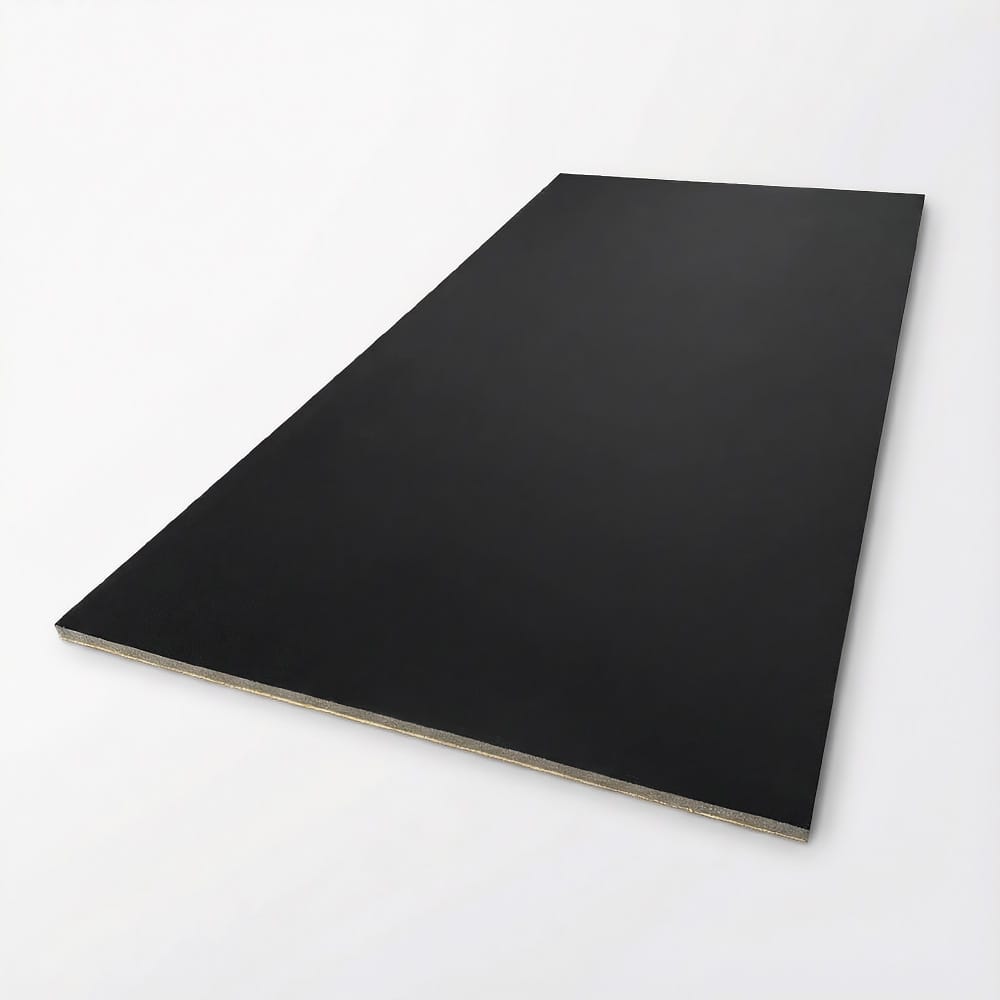
Polyurethane foam absorbs sound waves across a wide frequency spectrum. A density of 25 kg/m³ at a thickness of 20 mm provides effective noise reduction. The lightweight design facilitates installation and does not burden the door structure. The flexible structure absorbs mechanical vibrations generated when closing the door. The black foil covering the surface ensures an aesthetic appearance and protects the material.
Main mechanical properties of polyurethane foam:
- Stiffness at 40% compression ranges from 3.0 to 3.8 kPa
- Permanent deformation at 50% compression below 6 percent
- Tensile strength minimum 90 kPa ensuring durability
- Relative elongation at break minimum 120 percent of length
- Flame resistance with a maximum spread rate of 100 mm per minute
- Self-extinguishing material that does not sustain flame after removal of the fire source
The foam meets the highest hygiene standards according to the State Hygiene Institute certificate. The material does not emit toxic substances or unpleasant odors after installation. The polyurethane structure maintains flexibility throughout the product’s service life. Neutral pH prevents chemical reactions with painted door surfaces. The self-adhesive layer enables quick installation without additional adhesives or tapes. The foam does not harden or crumble under temperature influence.
The combination of both layers creates a system with a total thickness of 30 millimeters. Rubber blocks the flow of low-frequency sounds and bass. Polyurethane absorbs medium and high frequencies of voices and street noise. Together, the materials reduce noise levels by 30 to 40 decibels. The system also provides effective thermal insulation, limiting energy loss. Installing the layers one on top of another creates a highly efficient barrier.
Application
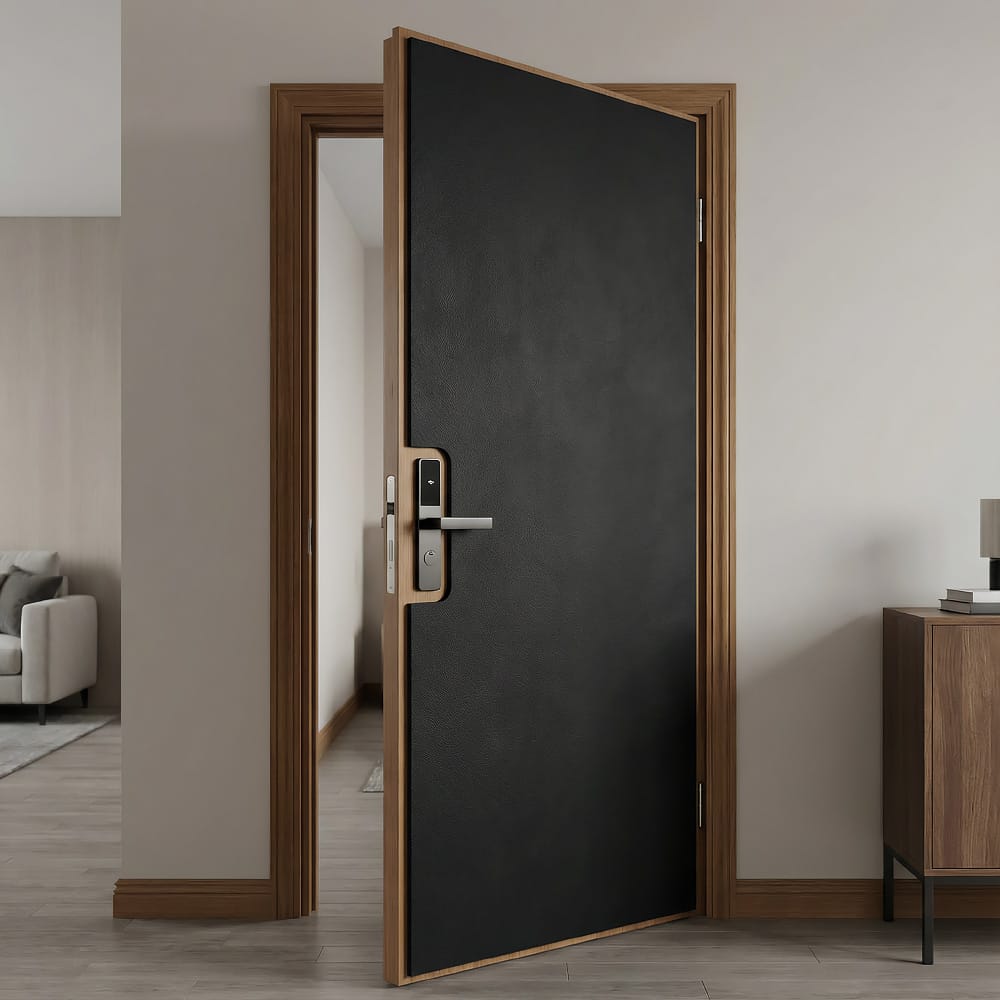
Insulation set is used in residential, industrial, and automotive construction. The materials reduce noise coming from outside as well as between adjacent rooms. Thermal insulation limits heat loss through apartment entrance doors. The foams work perfectly in renovations of older buildings with poor insulation. Self-adhesive layers make installation easier for people without construction experience. The set can be cut to size to fit specific doors.
Practical application areas of the materials:
- Soundproofing interior doors of apartments, single-family homes, and studios
- Acoustic insulation of entrance doors from the stairwell side of buildings
- Noise reduction in offices, medical offices, and conference spaces
- Soundproofing doors in lodging facilities, hotels, and tourist guesthouses
- Thermal insulation of exterior doors protecting against heat loss
- Soundproofing partition walls between rooms in multi-family apartments
- Soundproofing technical rooms, building machine rooms, and neighborhood boiler rooms
- Modernization of older wooden doors improving their insulation properties
The flexible structure adapts to elements with unusual geometric shapes. The waterproof surface prevents the growth of microorganisms and mold fungi. The insulation retains full properties for at least 15 years of use.
Features and Benefits
Double insulation layer combines the advantages of both rubber foam and polyurethane foam simultaneously. Rubber blocks sound transmission with a closed-cell structure of high density. Polyurethane absorbs the energy of sound waves, reducing resonance and echo. Together, they create an effective barrier against external noise as well as noise between rooms. Thermal insulation limits heat energy loss through leaky doors. The materials are lightweight, easy to transport, and require no assistance.
Self-adhesive backings completely eliminate the need for additional construction adhesives. The protective film safeguards the adhesive layer from contamination until installation. The foams can be cut to size with a regular upholstery knife or scissors. The flexible structure perfectly adapts to surface irregularities and indentations. Installation typically takes between 15 and 30 minutes of work time. The materials do not require specialized tools or construction skills from the user.
Key advantages and benefits of the set:
- High acoustic effectiveness reducing noise by 30 to 40 decibels
- Excellent thermal insulation lowering apartment heating bills
- Waterproof construction that does not absorb moisture, odors, or chemicals
- Fire safety confirmed by European certificates and national standards
- Easy self-adhesive installation without the need for glues, tapes, or specialized equipment
- Long-lasting material durability maintaining properties for at least 15 years
- Wide temperature range from minus 50°C to plus 110°C
- Neutral pH materials that do not cause corrosion of metal structural elements
- No harmful substances safe for residents’ and pets’ health
- Compliance with standards CE 0551-FEF and PN-EN 14304:2009
- Foam flexibility enabling installation on complex irregular surfaces
- Minimal water absorption below 0.1 percent protecting against degradation
The materials do not oxidize and maintain dimensional stability for years. The black color of the foams is universal and visually unobtrusive. The set can be combined with other insulation systems in buildings. The foams do not emit unpleasant chemical odors after installation. The product was manufactured according to strict European quality standards. The producer ABM Insulation specializes in professional high-class insulation materials.
Our products have hygiene certificate no. 335/322/340/2020 dated 09/30/2020
Installation instructions
The assembly of the set proceeds quickly and does not require specialized construction knowledge. Precise preparation of the door surface before applying the layers is crucial. A clean surface ensures strong adhesion of the self-adhesive layer to the material. The installation temperature should be between 15 and 25 degrees Celsius. Materials should be laid out in the room at least two hours in advance. Acclimating the foams ensures optimal flexibility and adhesive layer bonding.
Detailed steps for insulation installation:
- Thoroughly clean the entire door surface with extraction gasoline or alcohol
- Dry the surface with a clean cotton cloth and wait five minutes
- Measure the exact dimensions of the door and mark foam cutting lines
- Cut the rubber foam to size with a sharp knife or scissors
- Gradually remove the protective film from the self-adhesive layer of the rubber foam
- Apply the foam to the door starting from the top edge of the surface
- Gradually press the foam from the center toward the edges, removing air bubbles
- Firmly press the entire surface with a roller or hand for one minute
- Cut polyurethane foam to match the dimensions of the previously applied rubber layer
- Carefully remove the protective film from the adhesive layer of the polyurethane foam
- Evenly apply PUR foam onto the previously installed rubber layer
- Smooth out the surface, removing air bubbles from center to edges
- Press firmly over the entire surface for about two to three minutes
- Leave the door undisturbed for at least 24 hours before use
After installation, avoid intense opening and closing of the door for one hour. The adhesive layer needs time for full chemical bonding with the surface. Maximum adhesion is achieved 24 hours after installation. When cutting foams, use a sharp knife to prevent frayed edges. Material scraps can be used to insulate smaller elements and gaps.
Acoustic properties of materials
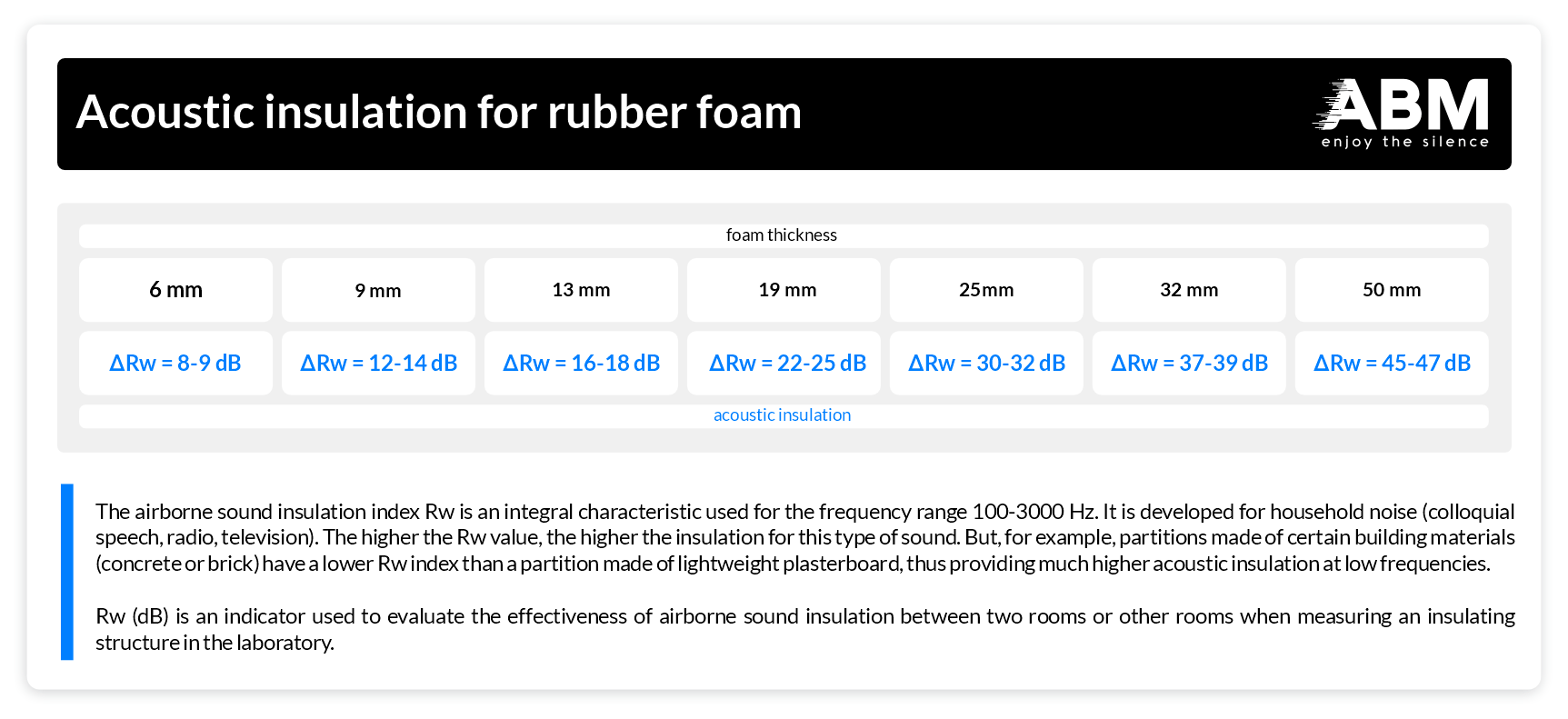
Acoustic insulation involves blocking and absorbing sound waves of various frequencies. Rubber foam blocks sound with a closed-cell structure of high density. Each cell acts as a barrier to the sound wave, reducing its energy. The material density from 50 to 60 kg/m³ ensures high effectiveness. Polyurethane foam absorbs the energy of sound waves within its structure. The open PUR structure acts like a labyrinth, mechanically dampening sound.
The combination of both layers reduces noise by 30 to 40 decibels. The sound absorption coefficient increases with the thickness of the applied material. A 10 mm rubber layer blocks low-frequency bass and rumbling sounds. A 20 mm polyurethane layer absorbs mid and high-frequency voices. Together, they create a system effective across the entire spectrum of acoustic frequencies. The materials reduce noise from conversations, footsteps, music, and street sounds.
Insulation significantly improves the acoustic comfort of an apartment or office space. Noise reduction positively affects sleep quality and concentration. Soundproofing entrance doors eliminates noises from building stairwells. Internal insulation provides acoustic privacy between rooms in an apartment. The materials also dampen resonances and mechanical vibrations of door structures.
Thermal properties and savings
Thermal insulation is based on a low thermal conductivity coefficient. Rubber foam is characterized by a λ below 0.036 W/mK. Closed cells filled with air effectively block the flow of thermal energy. A 10 mm layer reduces energy loss by 12 to 15 percent. Polyurethane foam further increases the thermal insulation efficiency of the entire system. A total thickness of 30 mm provides an effective thermal barrier.
The materials prevent the formation of thermal bridges in the door wing structure. Eliminating thermal bridges limits condensation of water vapor on cold surfaces. A dry surface prevents the growth of mold and microscopic fungi. Thermal insulation significantly reduces apartment heating costs during the season. The materials are especially effective for insulating exterior entrance doors. They retain full properties at temperatures from minus 50 to plus 110 degrees Celsius.
Uninsulated doors account for about 10 to 15 percent of energy loss. Gaps around the door wing and under the threshold allow warm air to escape. Installing an insulation set completely eliminates thermal bridges in the structure. An apartment loses about 500 kWh of energy annually through doors. Insulation reduces losses by at least 70 percent of energy. Savings amount to approximately 350 kWh of heat per year.
At an average price of 0.60 PLN per kilowatt-hour, savings amount to 210 PLN. The cost of the set typically pays off within one heating season. Insulation also improves thermal comfort in the space near the entrance door. Eliminating drafts reduces the feeling of cold in the apartment’s entry area. The door surface temperature rises by 3 to 5 degrees Celsius.
Safety and quality certificates
Fire safety of insulation materials is crucial in construction applications. Rubber foam meets fire reaction class D-s3, d0. The material is self-extinguishing and does not spread flames on surfaces. It does not produce burning droplets that fall onto flammable materials. The EN 13501-1 standard specifies requirements for construction products. Polyurethane foam is characterized by a resistance below 100 mm per minute.
The CE certificate 0551-FEF confirms compliance with European Union requirements. The PN-EN 14304:2009 standard applies to thermal insulation products in construction. The materials underwent detailed testing at the National Institute of Public Health in Poland. Tests confirmed the absence of substances harmful to human health. The foams do not emit formaldehyde or volatile organic compounds (VOCs). Neutral pH prevents chemical corrosion of metal structural door components.
The waterproof structure eliminates the growth of microorganisms, mold, and fungi. Water absorption below 0.1 percent ensures the material remains dry. The foams do not absorb food odors or cleaning chemical substances. The materials are completely safe for allergy sufferers and sensitive individuals. They contain no mineral dust, glass fibers, or heavy metals. Production complies with environmental protection standards.
Maintenance and product durability
Insulation materials do not require special maintenance after proper installation. The surface can be cleaned with a damp cloth and a mild, safe detergent. Abrasive agents that damage the foam structure should not be used. The foams maintain their flexibility throughout the service life of at least 15 years. They do not harden or crumble over time. The waterproof structure prevents degradation caused by moisture and temperature.
The durability of the materials ranges from a minimum of 15 to 20 years of use. The foams do not lose their acoustic or thermal insulating properties. The closed cells of the rubber retain dimensional stability and shape. Polyurethane does not sinter or undergo permanent deformation under load. The materials withstand daily mechanical stresses from opening residential doors. The self-adhesive layer maintains full adhesion for years of use.
A regular inspection of the insulation condition should be conducted once a year. The edges of the foams should be checked for any possible detachment of the material. Any mechanical damage can be repaired by applying small patches from leftover pieces. It is advisable to keep leftover material for future minor insulation repairs. Properly installed insulation does not require replacement for many years. The manufacturer ABM Insulation guarantees high quality and long-lasting durability of the products.