
Winter frosts and summer heat pose a serious challenge for insulation materials. Soundproofing mats are exposed to extreme temperature fluctuations reaching up to 100 degrees Celsius. The difference between the warmest summer day and the coldest winter night can literally tear apart an unsuitable material. The cracking problem mainly affects older asphalt-based solutions.
Butyl mat and bitumen are two different materials with completely different physical properties. Their molecular structure determines their behavior during temperature changes. Asphalt materials become brittle in the cold and soften in the heat. Butyl elastomer compounds remain stable over a wide temperature range. This difference is crucial for the durability of acoustic insulation.
The choice of the right material affects the lifespan of the entire installation. Bituminous materials lose their properties after several years of use. Cracks lead to a loss of vibration damping effectiveness. Modern butyl mats eliminate the problem of thermal degradation. The chemical stability of rubber ensures long-lasting protection against noise and vibrations.
Chemical and physical properties of soundproofing mats
The chemical structure of the material determines its behavior under various weather conditions. Asphalt binder consists of complex hydrocarbons with variable molecular weight. These compounds show strong dependence on ambient temperature. Low temperatures cause stiffening of the entire molecular structure. This process occurs gradually as the material cools.
Butyl rubber is produced by polymerizing isobutylene with a small addition of isoprene. Long polyisobutylene chains provide exceptional flexibility. The polymer structure resembles polypropylene but exhibits much better rubber properties. The material retains its characteristics over a wide thermal range. The glass transition temperature is significantly lower than that of bitumen.
Molecular structure of butyl mat and its impact on flexibility
The butyl polymer contains about 98% isobutylene and 2% isoprene. The polyisobutylene monomer unit has the formula –(–CH₂–C(CH₃)₂–)ₙ–. Small methyl side groups do not block polymer chain movement. Molecules can move freely even at low temperatures. Flexibility is maintained down to about -50°C.
Butyl shows extremely low permeability to gases and moisture. Its molecular structure limits particle diffusion through the polymer matrix. Long polyisobutylene segments provide excellent bending properties. The material can be repeatedly deformed without losing its qualities. The operating range extends from -50°C to +120°C.
Key features of butyl structure:
- Low activation energy for segment chain movement
- No large side groups limiting mobility
- High tensile and tear strength
- Exceptional resistance to material fatigue
- Ability to absorb mechanical energy
The regular structure of polymer chains ensures predictable material behavior under various conditions. The random distribution of isoprene units allows cross-linking of the structure without losing elasticity. The vulcanization process mechanically strengthens the entire polymer matrix. Cross-links form, connecting adjacent chains into a three-dimensional network. The system retains the ability for reversible deformations with increased strength. Cross-link density can be controlled by adjusting component ratios. The optimal structure combines maximum elasticity with resistance to permanent deformation.
Characteristics of bitumen as an asphalt material
Bitumen is a complex mixture of high molecular weight hydrocarbons. The material exhibits viscoelastic properties in the medium temperature range. Asphalt binder consists of mastic and mineral fractions. The structure is much less ordered than in synthetic polymers. The lack of regular molecular chains affects thermal behavior.
Temperature strongly modifies the rheological properties of asphalt. At low temperatures, the material becomes brittle and prone to cracking. High temperatures cause softening of the binder and greater susceptibility to deformation. Thermal fluctuations introduce stresses independent of mechanical loads. The coefficient of thermal expansion of asphalt is relatively high.
Material response to extreme weather conditions
Winter frosts below -4°F cause thermal contraction of the bituminous layer. Asphalt contracts, but deformation is resisted by friction with the substrate. Internal stresses develop that exceed tensile strength. Cracking can occur during a single freezing night. Damage extends through the entire thickness of the material layer.
ABM butyl mats maintain flexibility under extreme conditions. Operating range extends from -58°F to +338°F. The self-adhesive layer does not lose adhesion in frost. The material does not crumble or crack due to temperature changes. High elasticity enables compensation for thermal stresses.
| Property | Butyl Mat | Bituminous Mat |
|---|---|---|
| Operating temperature range | -50°C to +170°C | -10°C to +60°C |
| Behavior in frost | Remains flexible | Hardens and cracks |
| Behavior in heat | Stable form | Softens and flows |
| Crack resistance | Very high | Low |
| Protective layer | Aluminum foil | None or thin |
Cyclic temperature fluctuations throughout the day further accelerate the destruction of bituminous materials. The difference between daytime heating and nighttime cooling can reach 30-40 degrees. Each cycle introduces thermal stresses that strain the binder structure. Moisture penetrating microcracks freezes and expands the damage. Ultraviolet rays degrade the asphalt surface causing crumbling. Butyl mats remain stable regardless of the intensity of sun exposure. Aluminum foil reflects radiation, protecting the rubber from photochemical aging.
Thermal expansion coefficient of both materials
Asphalt is characterized by a high linear expansion coefficient. This value significantly exceeds the parameters of elastomeric materials. Each degree of temperature change causes significant volume deformation. The inability to deform freely leads to internal stresses. Extreme stresses can immediately cause surface cracking.
Butyl rubber shows a much lower expansion coefficient. The elastic polymer structure absorbs thermal stresses. The material can deform freely without damage occurring. Long molecular chains dissipate mechanical energy. The system does not accumulate critical stresses leading to destruction.
Behavior of materials during frost and heat
Seasonal temperature fluctuations pose the toughest test for insulating materials. Freeze-thaw cycles accelerate structural degradation. Bituminous materials lose properties after just a few seasons. Each thermal cycle deepens microdamage in the binder. Gradually increasing crack networks lead to total loss of function.
Butyl insulation is designed to operate in variable climatic conditions. The material shows no signs of fatigue after multiple cycles. The polymer structure remains stable for years of use. The manufacturer provides a 5-year warranty on ABM products. Long-term resistance eliminates the need for material replacement.
Hardening of bituminous mats at subzero temperatures
Temperatures below zero degrees radically change asphalt properties. The binder loses its ability to relax stresses. The material transitions from a viscoelastic state to a brittle state. This process is reversible but causes microdamage. Repeated hardening cycles deepen defects in the molecular structure.
Very low temperatures below -20°C are particularly destructive. Thermal contraction generates enormous internal forces. The stiff material cannot deform without cracking. Damage occurs suddenly and develops rapidly. Thermal cracking runs through the entire thickness of the insulation layer.
Softening and flow of asphalt at high temperatures
Summer heat above 30°C causes softening of the asphalt binder. The stiffness modulus drops to critically low values. The material loses its ability to carry mechanical loads. Permanent deformations occur under gravity’s influence. The bituminous layer can flow off vertical and sloped surfaces.
High temperature increases the ability to relax stresses. At the same time, it reduces the mechanical strength of the entire structure. The material becomes plastic and prone to deformation. Loss of shape eliminates vibration damping effectiveness. A soft mass cannot efficiently dissipate vibration energy.
Stability of Butyl Rubber Mats in Extreme Conditions
ABM Professional and ABM Xtreme butyl mats operate effectively across a wide temperature range. The material remains flexible even at -50°C. The upper application limit reaches +120°C or even +170°C. Thermal stability eliminates seasonal changes in acoustic properties.
Butyl rubber does not exhibit a glass transition under normal climatic conditions. The glass transition temperature is well below -50°C. The material stays rubbery and flexible in the harshest frosts. The polymer structure does not degrade during heat waves. The aluminum foil additionally protects against excessive heating.
Advantages of thermal stability:
- Unchanged damping effectiveness throughout the year
- No seasonal degradation of mechanical properties
- Consistent adhesion of the self-adhesive layer
- Retention of installation flexibility
- Long-term protection against noise and vibrations
Laboratory tests confirm the retention of mechanical parameters after hundreds of thermal cycles. The material subjected to alternating freezing and heating shows no signs of fatigue. The modulus of elasticity remains constant regardless of the number of cycles completed. Practical applications include vehicles operated in extreme climate zones. Butyl mats perform well both in Arctic frosts and desert heat. Drivers in Scandinavia and Mediterranean countries appreciate the reliability of insulation. Consistent noise reduction effectiveness throughout the year eliminates disappointments related to seasonal changes.
Critical Point of Damping Property Loss in Bitumen
Bituminous materials lose damping effectiveness in two critical temperature ranges. The first point occurs below -10°C when the binder becomes too stiff. The second threshold appears above +50°C with excessive softening. Outside the optimal range, the material cannot effectively dissipate energy.
Stiffening in frost eliminates the viscous damping mechanism. The material behaves like an elastic body reflecting vibrations. Softening in heat leads to excessive pliability. Vibration energy is transmitted through a plastic mass. Effective damping requires a proper balance between stiffness and elasticity.
Behavior of Aluminum Layer During Thermal Fluctuations
The aluminum foil in butyl mats serves several important functions. The metal layer mechanically reinforces the entire composite structure. Aluminum reflects thermal radiation, protecting the rubber from heating. The metallic membrane prevents moisture diffusion into the material’s interior. Thermal properties of the foil stabilize the temperature of the butyl layer.
Aluminum has a high thermal conductivity coefficient. The metal layer evenly distributes temperature across the entire surface. It eliminates local overheating that could damage the rubber. The foil dissipates excess thermal energy into the environment. The system acts like a radiator dispersing heat.
Tip: During the installation of butyl mats, avoid bending the aluminum foil at sharp angles. Gently rounding the edges prevents cracking of the metal layer. Damaged foil loses its heat-reflective and moisture-protective properties.
Why Flexibility Prevents Cracking
The ability of a material to deform without damage is key to durability. Flexibility allows compensation for thermal and mechanical stresses. Rigid materials accumulate energy leading to crack formation. Rubber composites dissipate forces through reversible deformations. This mechanism protects the structure from catastrophic failure.
Elastomeric polymers can stretch hundreds of percent without damage. Molecular chains extend and align in the direction of tension. After the force subsides, the material returns to its original shape. This cycle can be repeated thousands of times. Butyl shows exceptional resistance to material fatigue.
Stress Formation Mechanism in Rigid Materials
Thermal contraction in a rigid material generates tensile stresses. Adhesion to the substrate prevents free deformation. The bitumen layer acts like a membrane stretched over a frame. Temperature decrease increases tension to critical values. Exceeding tensile strength causes immediate cracking.
Stresses increase proportionally with temperature drop and expansion coefficient. A thicker material layer accumulates greater forces. The length of uninterrupted surface affects stress magnitude. Bituminous materials require expansion joints every few meters. Lack of compensatory gaps leads to networks of thermal cracks.
Plasticity as Protection Against Mechanical Damage
A plastic material can permanently deform without cracking. Mechanical energy is absorbed by internal structural reorganization. This process eliminates stress concentration at single points. Impacts and vibrations are dispersed throughout the volume. Plasticity protects against impact damage.
Butyl rubber combines flexibility with fatigue resistance. The material can be repeatedly deformed without degradation. Each load cycle is fully reversible. Vibration energy is converted into a slight temperature increase. The damping system works effectively for years of operation.
Force Distribution in Flexible Rubber Structures
The elastomer evenly distributes stresses throughout the material volume. Force concentration at single points is minimized. The polymer structure acts like a network of molecular springs. Each chain segment participates in energy dissipation. This mechanism prevents initiation points for cracks.
Long polyisobutylene chains provide very good bending properties. The material can be bent repeatedly without damage. Installation flexibility allows adaptation to irregular surfaces. Butyl mats conform to the substrate shape without generating stresses. Lack of force concentration points eliminates risk of delamination.
Benefits of a Flexible Structure:
- Even distribution of mechanical and thermal stresses
- No points of force concentration initiating cracks
- Ability to undergo multiple deformations without degradation
- Effective vibration damping across a wide frequency range
- Long-term resistance to material fatigue
The ability to absorb mechanical energy results from internal friction between chain segments. The movement of polymer molecules generates heat that dissipates vibration energy. This process is called viscoelastic damping and works most effectively in elastomers. Rigid materials lack an internal energy dispersion mechanism. Impacts and vibrations are reflected rather than absorbed by the structure. Butyl converts mechanical energy into a slight temperature increase completely safely.
Even stress distribution also prevents damage accumulation over time. Materials with weak points undergo rapid destruction under cyclic loading. Cracks initiate at force concentration points and propagate throughout the entire layer. The homogeneous rubber structure eliminates preferential damage development paths. Every area of the material is equally resistant to mechanical and thermal loads. The insulation system maintains structural integrity for decades of use.
Brittleness problem of bitumen after multiple freeze-thaw cycles
Each freeze-thaw cycle deepens micro-damage in the asphalt binder. Temperatures below zero cause microcracks to form. Water entering defects freezes and expands the cracks. Ice lenses form, increasing internal stresses. This process leads to potholes and blowouts.
Subsequent seasons accelerate the degradation of the bituminous structure. The material becomes increasingly brittle and prone to cracking. Loss of elasticity eliminates the ability to relax stresses. The surface becomes covered with a network of thermal cracks. After several years of use, the material requires complete replacement.
Tip: Before installing soundproofing mats, thoroughly clean and dry the surface. Moisture residues under the bituminous layer can freeze and cause delamination. Butyl mats are moisture resistant, but a clean substrate ensures better adhesion.
Installation technology and temperature requirements
The installation procedure is crucial for the final result. Conditions during installation affect the durability of the entire insulation layer. Bituminous materials require meeting specific thermal parameters. Modern butyl solutions eliminate most limitations. Ease of installation translates into time and cost savings.
The ambient temperature during installation determines adhesion quality. Cold reduces adhesive layer viscosity and hinders bonding. Heat can cause excessive softening and material runoff. Optimal conditions ensure a durable bond with the substrate. The manufacturer specifies the recommended temperature range for each product.
The Necessity of Heating Bituminous Mats Before Installation
Asphalt requires heating to a temperature of at least 10-20°C. Cold material is stiff and difficult to shape. The binder does not exhibit proper viscosity without heating. Installation at low temperatures leads to poor adhesion. The layer may detach after just a few weeks of use.
Heating requires the use of heat sources such as heat guns or radiators. The process is time-consuming and increases installation costs. Excessive heating can damage the binder or substrate. Temperature control requires experience and caution. Fire risk limits the use of open flames.
Use of Butyl Mat Without Heat Sources
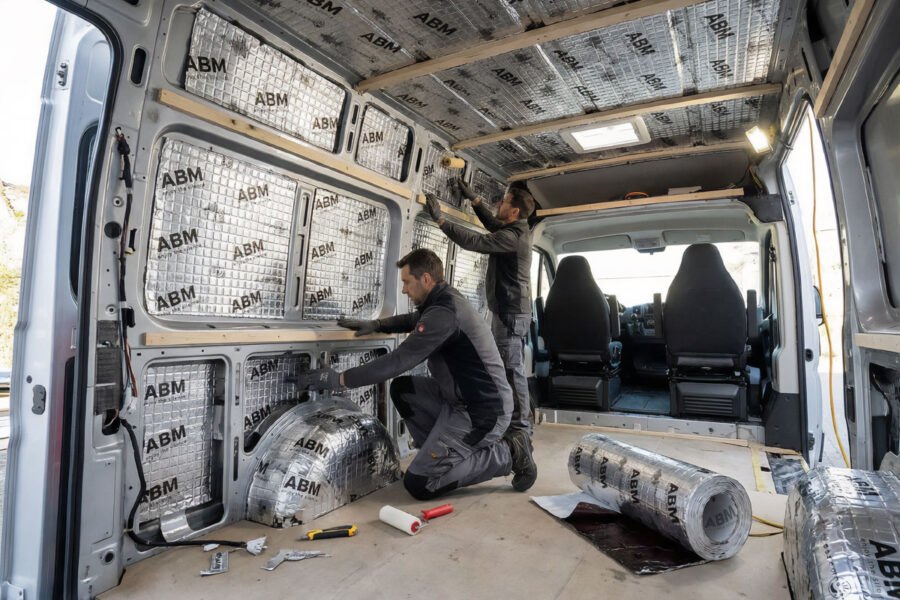
ABM butyl mats are equipped with an efficient self-adhesive layer. Strong glue ensures adhesion without the need for heating. The material can be installed at temperatures just above freezing. The flexibility of the rubber facilitates shaping even on cooler days. No need for heating speeds up and simplifies installation.
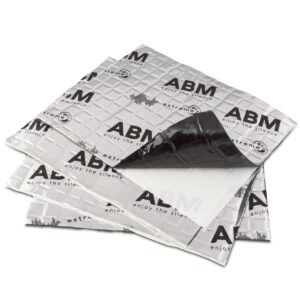
Installation involves removing the protective film and sticking the mat. The material should be pressed firmly with a roller or hand. The self-adhesive layer provides immediate adhesion. Full bond strength develops within several hours. This system eliminates the need for specialized equipment.
Self-Adhesive Layer and Its Resistance to Climatic Conditions
The adhesive used in butyl mats retains its properties over a wide temperature range. The layer remains sticky even at subzero temperatures. Adhesion to metal, plastic, and wood is durable and stable. The system does not lose adhesion during frost or heatwaves. Moisture resistance eliminates the risk of delamination.
The special glue formula ensures compatibility with butyl rubber. The layer does not degrade due to temperature exposure. The bond remains flexible throughout its service life. Lack of rigid attachment points eliminates stress concentration. The entire surface of the material adheres evenly to the substrate.
Adaptation to Irregular Surfaces Without Deformation
The high flexibility of butyl rubber allows installation on complex shapes. The material conforms to curves and recesses without forming folds. ABM mats can be cut with a knife to required dimensions. Gentle stretching allows perfect application. The structure does not undergo permanent deformation during shaping.
Installation flexibility is especially important in automotive applications. A car body has many nooks and irregular surfaces. Butyl mat perfectly adheres to wheel arch metalwork and doors. The material can be applied inside technological openings. Comprehensive soundproofing requires adaptation to every component.
Tip: After applying the mat, it is advisable to use a plastic roller or wooden block for precise pressing. Eliminating air bubbles improves adhesion and damping effectiveness. Special attention should be paid to the edges and corners of the material.
Butyl Mats in the ABM Insulation Store
Resistance to cracking during temperature changes is not just theory. Practical application requires choosing a proven material from a reliable manufacturer. ABM Insulation Store specializes in providing professional butyl solutions. The company has been operating since 2010 as a manufacturer of soundproofing mats. The products maintain thermal stability under extreme conditions.
The temperature range from -50°C to +170°C guarantees year-round effectiveness. Customers receive materials resistant to frost and heat. Each mat undergoes quality control before shipment. The fast delivery system ensures order fulfillment within 24 hours. The store serves customers throughout Poland and the European Union.
Professional Series for Comprehensive Soundproofing
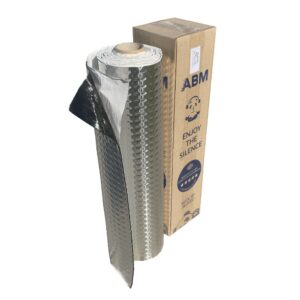
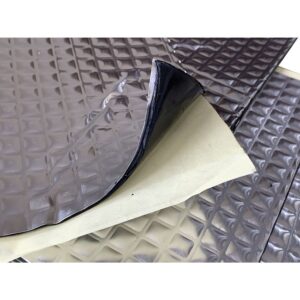
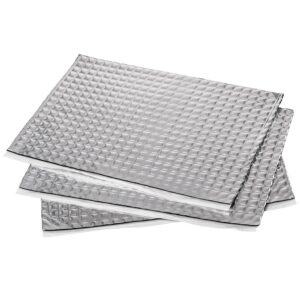
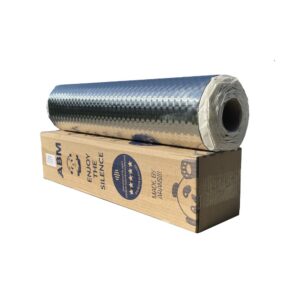
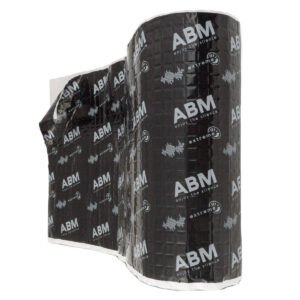
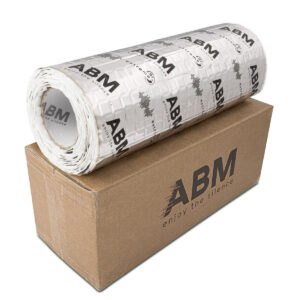
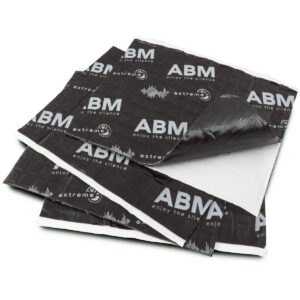
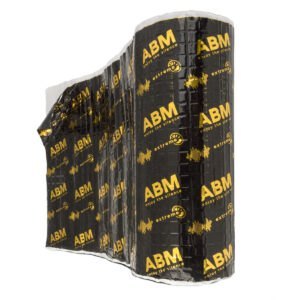
ABM Professional Line is characterized by high sound damping efficiency. The material works well in cars, campers, and buildings. The self-adhesive layer facilitates installation without heating. The flexible structure adapts to irregular surfaces. Butyl rubber does not lose its properties during use. Various thicknesses are available to suit every project’s needs.
Xtreme Series for the Toughest Applications
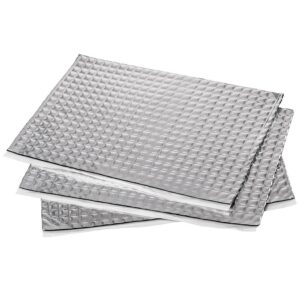
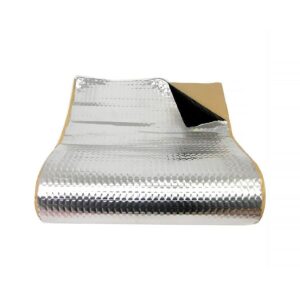
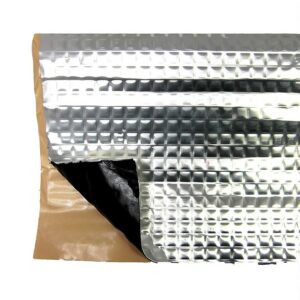
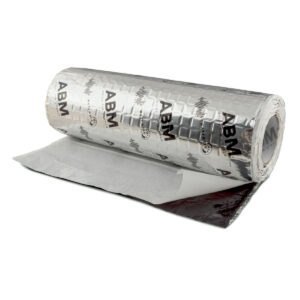
ABM Xtreme is designed for extreme acoustic conditions. The highest level of soundproofing eliminates intense vibrations and noise. The material is used in industrial machines and commercial vehicles. Reinforced construction ensures maximum durability. Aluminum foil protects against overheating and moisture. The system maintains its parameters through years of intensive work.



Technical Support and Professional Service
An experienced team assists in selecting the appropriate material. Consultants provide information about technical parameters and applications. The online store allows convenient 24/7 order placement. Fast shipping guarantees timely project completion. The company also supplies products to Western European markets.
Choose temperature-resistant ABM butyl mats today. Contact our team for expert assistance. We provide professional advice in selecting the right solution. Order now and experience the quality of proven insulation materials.
Durability and Performance of Materials in Long-Term Use
The lifespan of acoustic insulation determines the total operating costs. Materials requiring frequent replacement generate additional expenses. Removing the old layer and installing a new one is a time-consuming process. Durable solutions eliminate the need to repeat the work. Long-term noise protection is key to user comfort.
Butyl mats are designed for many years of use without degradation. The stable polymer structure does not age. The manufacturer provides a 5-year warranty on ABM products. The actual lifespan exceeds the warranty period many times over. The material retains its properties for decades of use.
Retention of Insulating Properties After Years of Use
The effectiveness of vibration damping remains constant throughout the entire service life. Butyl rubber neither hardens nor softens over time. The molecular structure is chemically and physically stable. The material does not undergo oxidation or photochemical degradation. The aluminum foil protects against UV radiation and moisture.
Long-term studies confirm the retention of acoustic parameters. The MLF damping coefficient does not change after years of thermal cycles. The material remains flexible and resistant to fatigue. The self-adhesive layer does not lose adhesion to the substrate. The insulation system works as effectively as on the day of installation.
Practical operational tests in vehicles confirm laboratory research results. Cars soundproofed with butyl mats after 8-10 years still maintain acoustic comfort. Owners do not report increased noise levels inside the cabin. Insulation installed a decade ago works identically to a newly installed layer. Long-term stability translates into real savings and user satisfaction. Eliminating the need to replace the material removes service costs and vehicle downtime.
Resistance to Degradation from Seasonal Cycles
Annual temperature fluctuations do not affect butyl rubber properties. The material undergoes freeze-thaw cycles without damage. Each season does not introduce cumulative structural defects. Lack of micro-damage prevents crack propagation. The system maintains integrity for decades.
Bituminous materials degrade gradually with each thermal cycle. Initial micro-damages appear after the first winter. Subsequent seasons deepen defects leading to cracks. After 3-5 years, the layer requires replacement. Total operating costs far exceed initial savings.
Comparison of Vibration Reduction Effectiveness Over Time
A freshly installed bituminous mat may show good damping effectiveness. Properties quickly deteriorate with binder degradation. Winter stiffening eliminates viscoelastic damping mechanisms. Summer softening leads to excessive compliance. Acoustic parameters change seasonally and with material aging.
ABM Professional and Xtreme butyl mats maintain consistent effectiveness over the years. Noise, rumble, and vibration reduction remain at a high level. The material dampens vibrations across a wide frequency range. Low weight does not burden structures while maximizing efficiency. The insulation system meets expectations throughout the vehicle’s or building’s lifetime.
Comparison of long-term performance:
- Butyl mats: consistent effectiveness for 10-15 years and longer
- Bituminous mats: deterioration of properties after 2-3 years
- Rubber: retention of elasticity across the entire temperature range
- Asphalt: seasonal fluctuations in acoustic parameters
- Polymer: resistance to fatigue and thermal cycles
The stability of acoustic parameters directly translates to the comfort of vehicle or room use. Bituminous materials require condition monitoring and periodic replacement of the insulation layer. Binder degradation leads to a gradual increase in internal noise levels. The user notices a decline in soundproofing efficiency after the first two winters. Butyl mats eliminate the problem of seasonal changes in damping effectiveness. Properties remain unchanged regardless of weather conditions and usage time.
Economic consequences of replacing damaged materials
The cost of insulation replacement far exceeds the value of the material itself. Removing the old layer takes time and generates waste. Preparing the surface for new application requires additional labor. In automotive applications, insulation replacement involves partial interior disassembly. The total cost of the operation can reach several times the initial investment.
Durable butyl mats eliminate the problem of multiple replacements. A one-time investment provides protection for years. No operating or maintenance costs. The material requires no servicing during use. Long-term savings significantly outweigh the difference in purchase price.
Tip: When choosing an insulating material, consider the total cost of ownership. A cheaper product that requires replacement every 3-5 years generates higher costs than a more expensive material lasting for decades. Long-term analysis shows the profitability of investing in quality.
FAQ: Frequently Asked Questions
Can butyl mats be installed at any temperature?
Butyl mats allow installation over a much wider temperature range than bituminous materials. Installation can take place at just a few degrees above zero. The self-adhesive layer retains tackiness even on cooler days. The rubber’s flexibility facilitates shaping without heating. The material does not require specialized application equipment.
The optimal installation conditions are temperatures from 10°C to 25°C. However, installation is also possible outside this optimal range. Bituminous materials require heating to at least 10-20°C. Cold asphalt is stiff and difficult to shape. The adhesive layer does not exhibit sufficient adhesion without heating. Butyl eliminates limitations related to seasonal work.
How does chemical composition affect mat resistance to cracking?
Butyl rubber consists of long polyisobutylene chains with a small addition of isoprene. The molecular structure provides exceptional elasticity over a wide temperature range. Small methyl side groups do not block polymer segment movement. The material can deform freely without damage formation. The glass transition temperature is well below -50°C.
Bitumen is a complex mixture of hydrocarbons with a high molecular weight. The absence of regular polymer chains affects thermal behavior. The chemical structure of asphalt causes a strong dependence of properties on temperature. Key structural differences include chain length, structural regularity, and stress relaxation capability. The polymer maintains a rubbery consistency, while asphalt becomes brittle or plastic.
How many years do butyl mats retain their properties compared to bituminous ones?
Butyl mats maintain damping effectiveness for 10-15 years and longer. The stable polymer structure does not age under thermal cycling. The manufacturer ABM Insulation provides a 5-year warranty on its products. Actual lifespan exceeds the warranty period multiple times. The material shows no degradation in acoustic properties after years of use. Main durability factors include resistance to oxidation, chemical stability, and molecular structure flexibility.
Bituminous materials lose their properties after just 2-3 seasons of intensive use. Each freeze-thaw cycle deepens micro-damages in the binder. After several years, the layer becomes covered with a network of thermal cracks. Damping effectiveness drastically decreases with structural degradation. Material replacement becomes necessary after 3-5 years of use.
Are butyl mats suitable for outdoor applications?
Butyl mats can be used both indoors and outdoors. The material demonstrates excellent resistance to weather conditions. Protective properties include waterproofing, UV resistance, and dimensional stability. Aluminum foil additionally protects against excessive solar heating. The rubber does not degrade due to moisture, frost, or heat.
Typical outdoor applications include shutters, window sills, and metal doors. The material effectively silences ventilation ducts and drainage pipes. Resistance to mold and fungi ensures long-lasting protection in humid conditions. The system retains insulating properties regardless of exposure. Operating temperature range from -50°C to +170°C guarantees reliability in any climate.
Why does temperature affect vibration damping effectiveness?
The vibration damping mechanism requires an appropriate balance between stiffness and elasticity of the material. Too stiff a material reflects vibrations instead of absorbing them. An overly soft structure transmits energy without dispersing it. Optimal effectiveness occurs within a specific temperature range. Bituminous materials lose properties outside a narrow thermal window.
Low temperatures stiffen the asphalt binder, eliminating viscous damping. The material behaves like an elastic body transmitting vibrations. High temperatures cause excessive softening and loss of load-bearing capacity. Butyl maintains stable mechanical properties within the range from -50°C to +120°C. The polymer structure provides effective energy absorption year-round. Temperature does not affect the elastomer’s ability to dissipate vibrations.
Summary
The fundamental difference between butyl mats and bituminous mats lies in their distinct molecular structures. Elastomeric rubber maintains its properties across a wide temperature range. Asphalt hardens in the cold and softens in the heat, leading to cracks. The chemical stability of the polymer prevents degradation during thermal cycles. The material remains effective for years without losing its insulating properties.
Flexibility is key to the durability of acoustic insulation. The ability to deform without damage protects against thermal stresses. ABM Professional and Xtreme butyl mats dissipate mechanical energy through reversible deformations. The self-adhesive layer simplifies installation without the need for heating. The system retains adhesion and effectiveness in all climatic conditions.
Long-term cost analysis clearly favors durable polymer solutions. A one-time investment in butyl mats eliminates multiple material replacements. Stable damping properties over decades ensure acoustic comfort. The manufacturer ABM Insulation guarantees quality for 5 years of use. The actual lifespan of the material far exceeds the warranty period, making it an optimal choice for professional insulation.
Sources:
- https://en.wikipedia.org/wiki/Butyl_rubber
- https://en.wikipedia.org/wiki/Synthetic_rubber
- https://www.archiwum.gddkia.gov.pl/userfiles/articles/p/prace-naukowo-badawcze-po-roku-2_3432/Badania%20mieszanek%20mineralno-asfaltowych%20o%20obnizonej%20temperaturze%20produkcji%20i%20wbudowywania.pdf
- https://www.gov.pl/attachment/34584de6-9577-4d36-876a-2e11c703128c
- https://www.sciencedirect.com/topics/engineering/butyl-rubber
- https://onlinelibrary.wiley.com/doi/pdf/10.1002/polc.5070530125
