Older cars become noisier with every year of use. The bodywork loses its rigidity, original insulation materials degrade, and the cabin turns into a space full of vibrations and annoying sounds. Butyl sound deadening mats are one of the most effective solutions that allow you to realistically improve driving comfort, even in a car that is over a decade old.
Butyl material belongs to the group of synthetic elastomers with very good damping properties. It absorbs mechanical vibration energy and converts it into heat, which results in a clear reduction of noise inside the vehicle. The question is not whether it is worth using such insulation, but when it is truly justified and where to start.
When noise in an old car signals the need for butyl mats
With age, every vehicle changes its acoustic properties. The original factory insulation gradually loses its effectiveness, and the bodywork works more and more intensely. Recognizing the right signals allows you to assess whether bodywork soundproofing is already necessary.
What sounds and vibrations in the cabin indicate insulation degradation
The most characteristic symptom of worn-out insulation is a dull thudding coming from the floor or doors while driving on uneven surfaces. Sheet metal that is not properly damped begins to resonate at certain speeds or engine RPMs. The result is an unpleasant metallic rattling or vibrations felt under your feet.
An additional signal is an increase in the level of external noise penetrating the cabin. Tire noise, engine sounds, or stones hitting the wheel arches become more pronounced year after year. When a conversation while driving requires raising your voice, the original insulation has most likely stopped performing its function.
Typical symptoms of acoustic insulation degradation:
- dull thudding and sheet metal resonance at speeds of 60–100 km/h
- noticeable floor vibrations during acceleration
- loud noise of stones and water in the wheel arches
- penetration of tire and wind noise into the cabin
The above symptoms usually appear gradually and are often ignored by vehicle owners. Meanwhile, each of them points to a specific place where acoustic insulation degradation is progressing the fastest and where a butyl mat will bring the greatest effect.
How vehicle age and sheet metal wear affect road noise levels
The factory insulation of most passenger cars is designed for about 8–10 years of active use. After this time, foam materials harden, sealing rubbers lose their elasticity, and bonded insulation layers begin to delaminate. The bodywork made of steel loses some of its original rigidity due to micro-corrosion and material fatigue.
In vehicles older than 10 years, the sheet metal of the doors, floor, and wheel arches becomes noticeably more susceptible to vibrations. Even thin sections of sheet metal with a thickness of 0.6–0.8 mm, typical for car doors, behave like an acoustic membrane reacting to every type of road noise after a decade of operation.
At what noise level does a butyl mat bring real improvement
A butyl mat is particularly effective in the low-frequency sound range, i.e., up to about 500 Hz. These are the tones that are the most difficult to eliminate and are felt the most as fatigue after a long trip. Real improvement in comfort can be achieved by covering key surfaces, namely the floor and doors.
Acoustic studies indicate that butyl mats can lower the noise level in the cabin by up to 15 decibels. In practice, with typical application on the floor and in the doors of an older vehicle, the actual reduction is between 3 and 7 dB, which is a difference clearly perceptible to the human ear.
How butyl mats dampen sheet metal vibrations and reduce cabin noise
Understanding the physical mechanism of how butyl mats work allows for the accurate selection of thickness and installation scope. It is not just about adding a layer of material, but about intentionally stopping vibration energy before it turns into noise audible in the cabin.
Mechanism of acoustic energy absorption by the butyl layer
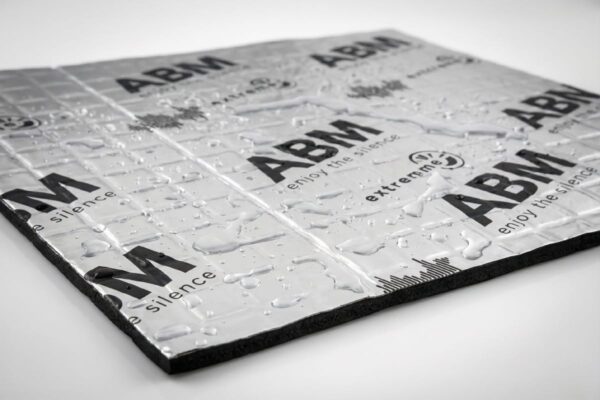
Butyl works on the principle of viscoelastic damping. When the bodywork sheet metal is set into vibration by road irregularities or engine operation, the layer of butyl glued to its surface absorbs mechanical energy and converts it into heat. The Material Loss Factor (MLF) of ABM Insulation butyl mats is 0.38, which signifies a high capacity for absorbing vibration energy.
It is crucial that the mat adheres tightly to the sheet metal over the entire surface. Every air bubble or inaccurately pressed fragment lowers the damping effectiveness. Therefore, during installation, it is recommended to press the mat with a hard roller, especially at the edges and in places where the sheet metal bends.
The role of the aluminum layer in reflecting low-frequency sound waves
Most butyl mats from ABM Insulation have an outer layer of aluminum foil with a thickness of 0.1 mm. Aluminum serves a dual function: it reflects sound waves arriving from the outside and acts as a thermal barrier, insulating the cabin from the heat of the ground.
In the context of low frequencies, characteristic of road noise, the aluminum layer works in conjunction with the mass of the butyl. The increased surface mass of the sheet metal with the applied mat makes it harder to set into vibration, which directly translates into a lower noise level. This mechanism is particularly important in the case of thin sections of door sheet metal and wheel arches.
By how many decibels does a butyl mat lower noise in an old car
The effectiveness of a butyl mat depends on its thickness and density. The table below shows the relationship between the mat’s parameters and the achieved damping:
| Mat thickness | Surface weight | Noise reduction | Application |
|---|---|---|---|
| 1.3–1.5 mm | approx. 2.1 kg/m² | 2–3 dB | Doors, smaller surfaces |
| 2.0–2.5 mm | approx. 3.9 kg/m² | 4–5 dB | Floor, center tunnel |
| 3.0–4.0 mm | approx. 4.5–4.8 kg/m² | 6–8 dB | Floor, wheel arches, trunk |
Butyl mats maintain full effectiveness up to a temperature of 104°C. For comparison, bituminous materials lose their properties at just 86°C, which makes a real difference in a heated car.
Butyl mats vs. bituminous mats, differences in effectiveness in older vehicles
Bituminous materials were the standard for car soundproofing for years. They contain asphalt as a main ingredient, which makes them brittle and prone to cracking at low temperatures. In older cars, where the sheet metal works more intensely, cracks in the bituminous insulation mean a loss of damping properties.
Butyl mats are flexible across the entire operating temperature range, from -40°C to 170°C, and do not crumble over time. Tests have shown that butyl reduces noise 3–7 dB more effectively than comparable bituminous materials, which, in an older vehicle with a naturally higher noise level, makes a clearly noticeable difference.
Which areas in an old car require butyl mats first
Effective soundproofing of an old car requires prioritization. It is not always necessary to cover the entire vehicle with mats at once. The proper installation sequence allows for achieving the maximum effect with a rational scope of work.
Soundproofing the floor and center tunnel as a priority in a worn-out car
The floor is the largest sheet metal surface in the cabin and, at the same time, the area most exposed to road noise. Sounds from the tires, the drivetrain, and the transmission penetrate through the floor, and the center tunnel transmits vibrations from the exhaust system. Covering the floor with a butyl mat at least 2 mm thick is the fastest way to a noticeable improvement in cabin quietness.
ABM Insulation recommends using ABM Professional or ABM Xtreme butyl mats on the entire floor surface, including the center tunnel. The mats are available in sheets and rolls with thicknesses from 1.3 to 4 mm, which allows for selecting the appropriate product for every zone of the vehicle. In the case of a heavily worn car, it is worth reaching for a thicker variant and supplementing it with rubber insulation foam applied over the butyl layer.
Floor soundproofing sequence:
- Removal of floor mats and carpeting
- Cleaning the sheet metal of rust, grease, and old insulation
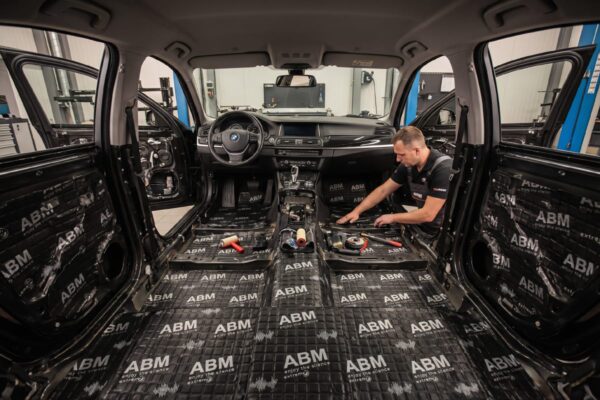
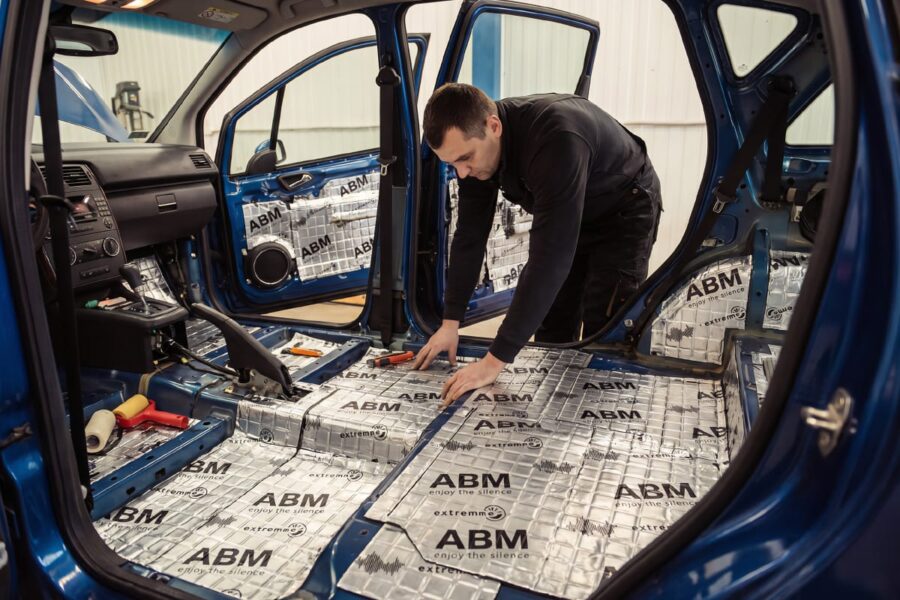
- Application of butyl mats to the entire floor and center tunnel
- Pressing the mat with a roller, especially at bends
- Installation of rubber foam as a second sound-absorbing layer
- Reinstallation of carpeting and floor mats
The entire floor soundproofing process can be carried out on your own, without specialized tools. The ABM Professional butyl mat has a self-adhesive layer that does not require heating or the use of additional glues.
Front and rear doors, why thin sheet metal amplifies resonances
The sheet metal of car doors is among the thinnest parts of the bodywork. In older vehicles, its thickness is usually 0.6–0.8 mm, which makes it react to every acoustic impulse like a membrane. At highway speeds, the doors vibrate to the rhythm of wind and tire noise, generating an unpleasant booming sound in the cabin.
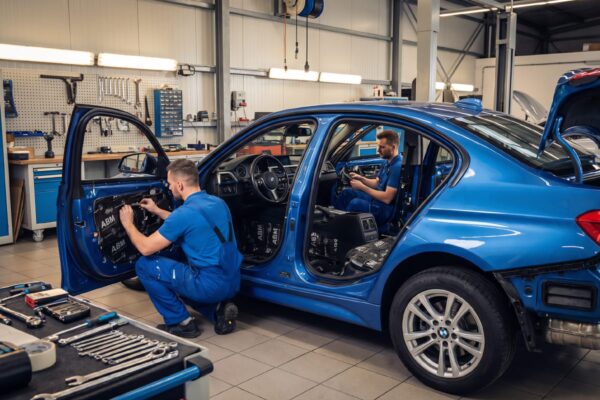
Door soundproofing covers two surfaces: the outer door panel (on the speaker side, if applicable) and the inner panel on the cabin side. Butyl mat applied to the inside of the outer panel effectively eliminates resonance and improves the sound quality of the audio system installed in the doors.
Rear doors, often overlooked, are just as important as the front ones. In family cars, noise penetrating through the rear doors is particularly bothersome for passengers. When comprehensively soundproofing an older car, all four doors should be treated as a priority.
Wheel arches and the trunk as primary sources of road noise and impacts
Wheel arches are areas where noise is most intense. Impacts from stones, water, and mud against plastic or metal wheel arches generate loud cracking sounds audible in the cabin. In older vehicles, the plastic soundproofing elements of the wheel arches degrade or fall off completely, which dramatically worsens acoustic comfort.
Butyl mat applied to the metal wheel arch from inside the trunk or cabin, supplemented with rubber foam, reduces these impacts to a minimum. The trunk, in turn, transmits noise from the rear axle and the exhaust system. Soundproofing it improves the acoustics of the entire rear cabin area and is particularly noticeable when driving on the highway.
Tip: It is worth using 3–4 mm thick ABM Xtreme butyl mats on the wheel arches as a base layer, as this zone is exposed to intense vibrations and frequent temperature changes. This ensures long-lasting protection without the risk of the material peeling off.
Materials for soundproofing an old car at the ABM Insulation store
Effective acoustic insulation requires proven materials. ABM Insulation is a manufacturer of butyl mats and insulation foams operating since 2010, supplying individual customers and companies across markets throughout the European Union. ABM Insulation products are covered by a 5-year manufacturer’s warranty, and orders are processed express, with shipping within 24 hours of placing the order.
The store’s assortment includes materials intended for both DIY assembly and professional installations. Each product has certificates confirming its acoustic properties and safety of use. Fast delivery throughout the European Union ensures that materials reach customers without unnecessary waiting.
Butyl mats for damping body vibrations
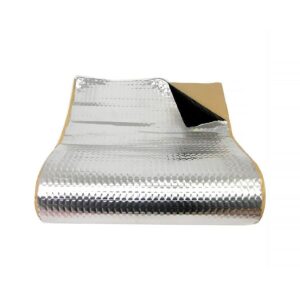
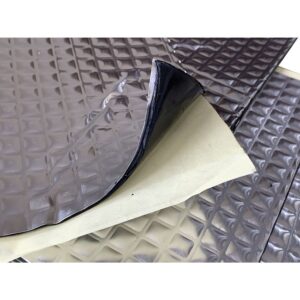
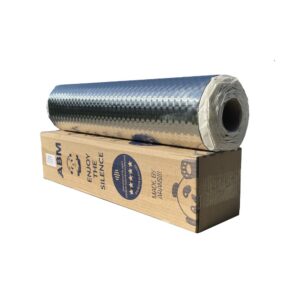
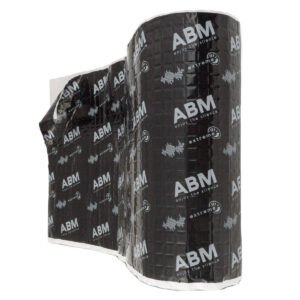
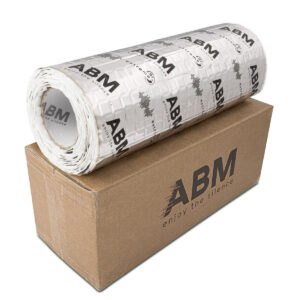
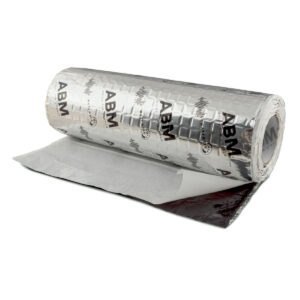
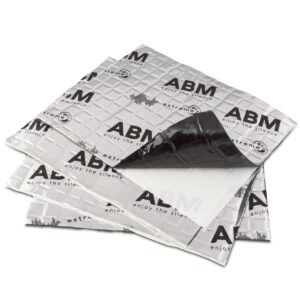
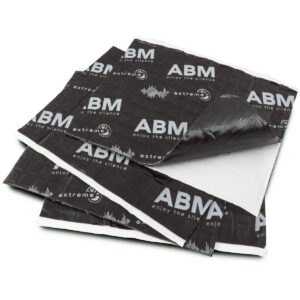
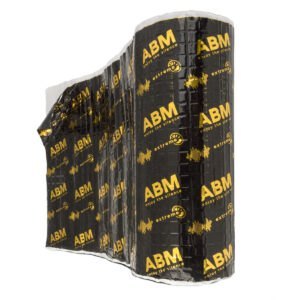
The foundation of every car soundproofing kit is butyl mats. In the ABM Insulation store, two product lines are available, differing in parameters and purpose:
Products for body soundproofing:
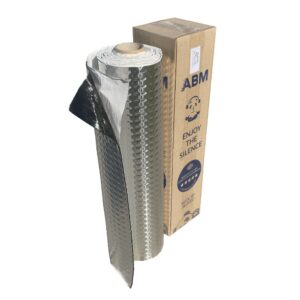
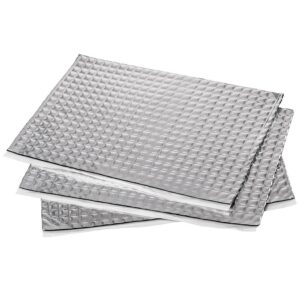
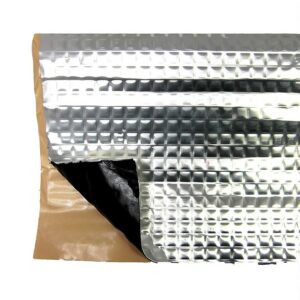
- ABM Professional butyl mats in sheets and rolls with a thickness of 1.3 to 4 mm, self-adhesive, ready for installation without heating
- ABM Xtreme butyl mats designed for areas most exposed to vibrations and temperature changes, such as wheel arches and the trunk
Both lines contain a 0.1 mm thick aluminum layer that reflects sound waves and acts as a thermal barrier. The material remains flexible in the range from -40°C to 170°C, which guarantees durability even in the difficult operating conditions of an older vehicle. ABM Insulation butyl mats have been used to soundproof over 40,000 vehicles worldwide.



Acoustic and rubber foams as a supplement to insulation
The butyl mat itself dampens sheet metal vibrations but does not absorb high-frequency noise. Therefore, a complete insulation system requires a second layer of sound-absorbing material:
- Applying the butyl mat directly to the bodywork sheet metal as a vibration-damping layer
- Covering the mat with insulating rubber foam as a noise-absorbing and thermal insulation layer
- Using acoustic foams and panels in door and trunk spaces for complete noise reduction
A two-layer insulation system is the most effective solution for an older vehicle where the sheet metal is weakened and the original factory insulation has stopped working properly. Rubber foam complements the work of the butyl mat, eliminating sounds that the mat alone does not absorb.
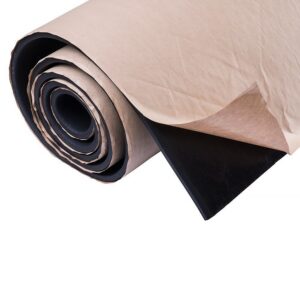
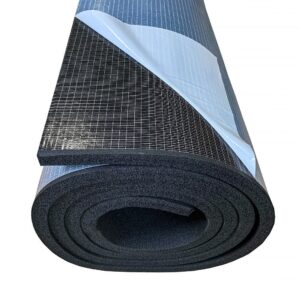
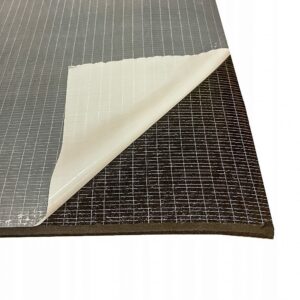
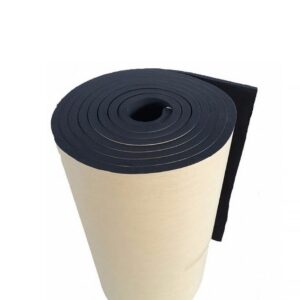
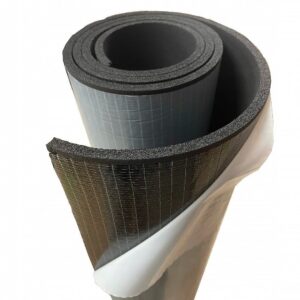
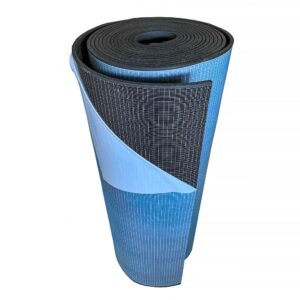
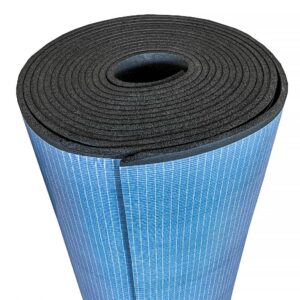
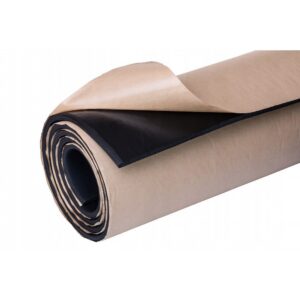
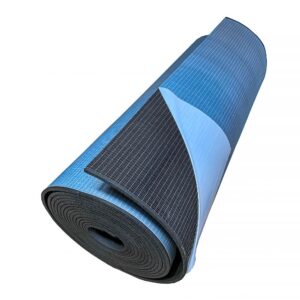
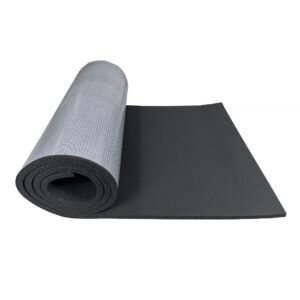
Rubber Foam. ABM Acoustic Insulation Self-adhesive, 25mm, 1m2
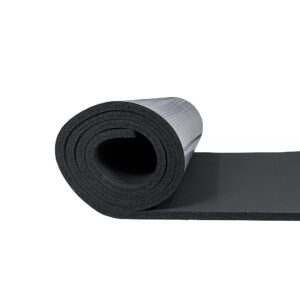
ABM Rubber Foam. Acoustic Insulation Self-adhesive, 32mm, 0.5m2
Rubber Foam. Acoustic Insulation Self-adhesive ABM, 32mm, 1m2
Vehicle owners who have used ABM Insulation products share their opinions regarding the quality of materials, service, and delivery speed. Customer ratings confirm the high effectiveness of the materials and professional support in selecting the right products. When choosing an insulation system for a specific vehicle model, you can take advantage of direct consultation and technical support from the ABM Insulation team.
What determines the effectiveness of soundproofing an old car with butyl mats
Simply purchasing butyl mats does not guarantee success. The final effect depends on several key factors that together determine the real noise reduction in the vehicle cabin.
Butyl mat thickness and the effect of damping car body vibrations
The thickness of the mat directly translates to the mass added to the sheet metal surface. The higher the surface mass, the harder it is to make the sheet metal vibrate, and thus the lower the noise level. ABM Insulation mats are available in thicknesses from 1.3 to 4 mm, and the material density ranges from 2.1 to 4.8 kg/m².
For older vehicles, where the sheet metal is already weakened, it is recommended to use mats with a thickness of at least 2.5 mm on the floor and wheel arches. Thinner variants, with a thickness of 1.3–1.5 mm, work well on doors and in areas with limited installation space.
The optimal material density is between 2.1 and 4.8 kg/m². Mats with higher density more effectively dampen car body vibrations and provide better insulation in the low-frequency range, which is characteristic of road noise in older cars.
Surface coverage degree and actual noise reduction
Covering the entire surface with a butyl mat is not always necessary or cost-effective. Acoustic studies indicate that covering 50–60% of the sheet metal surface with damping material already provides about 80% of the maximum effect. Full coverage increases this effect by only a dozen or so percent with significantly higher material consumption.
In practice, this means that when soundproofing the floor, it is enough to cover the most important zones: the space in front of the seats, the center tunnel, and the space behind the rear seats. The zones under the seats and near the door sills have less acoustic significance. This approach allows for optimizing the scope of work without sacrificing a clear effect.
Recommended surface coverage degrees:
- floor and center tunnel: minimum 60% of the sheet metal surface
- front doors: minimum 40–50% of the inner sheet metal
- wheel arches: full coverage of the metal surface from the inside
- trunk: minimum 50% of the floor and side wall surface
Regular installation of butyl mats in several key locations, rather than on the entire surface of the vehicle at once, is a strategy used by professional soundproofing workshops. A phased approach allows for evaluating the effect after each step and concentrating efforts on the areas that bring the greatest improvement.
Durability of butyl mats and maintaining properties for many years
Butyl mats stand out for their exceptional durability compared to other insulation materials. They do not contain asphalt, so they do not crack or crumble under the influence of temperature changes and mechanical stress. ABM Insulation provides a 5-year warranty on its products, which confirms the high quality of the materials.
Butyl is a material resistant to moisture, mold, and operating fluids. In an old car, where the body sheet metal is exposed to water penetration, this property is of particular importance. A mat applied to the sheet metal acts as an additional moisture barrier, which indirectly slows down corrosion.
A properly installed butyl mat retains its full damping properties for many years without the need for replacement or maintenance. The key is careful surface preparation before installation: the sheet metal must be clean, dry, and degreased so that the adhesive layer ensures a durable and tight connection with the substrate.
Tip: Before installing butyl mats on old sheet metal, it is worth checking the condition of the surface and removing any signs of corrosion. Installing the mat on rusty sheet metal without prior cleaning will shorten its durability and reduce the effectiveness of the adhesive.
FAQ: Frequently Asked Questions
Can butyl mats be installed independently in an old car?
Independent installation of butyl mats is entirely possible and does not require specialized knowledge or expensive tools. It is enough to clean and degrease the sheet metal, cut the mat to the appropriate size, and then press it firmly against the entire surface using a hard roller. Special attention should be paid to the edges and folds of the sheet metal, where air bubbles that reduce adhesive effectiveness are most likely to occur.
Butyl mats are available in a self-adhesive version with a protective layer that is removed just before application. Heating the material is not necessary, which significantly facilitates the work. The only requirement is an ambient temperature above 10°C, which ensures proper material flexibility and durable adhesion to the sheet metal.
By how many decibels can noise in the cabin of an old car be reduced after using butyl mats?
Comprehensive soundproofing of an old car, including the floor, doors, wheel arches, trunk, and roof, allows for a noise level reduction of 3–4 dB, which in practice means a reduction in perceived noise of over 50%. The effect depends on the thickness of the mat used and the degree of sheet metal coverage.
The butyl mat itself mainly dampens sheet metal vibrations and low-frequency noises. For a better result, it is used together with rubber foam as a second layer, which absorbs high-frequency noise. A two-layer insulation system provides a genuinely noticeable difference while driving on the highway and clearly reduces fatigue after a long trip.
Are butyl mats better than bituminous mats for soundproofing an older vehicle?
Butyl mats have a clear advantage over bituminous materials in the case of older vehicles. Butyl remains flexible over a wide temperature range, from several dozen degrees below zero to over 100°C, while the asphalt contained in bituminous mats crumbles in freezing temperatures and softens in summer heat. In an old car, where the sheet metal works and deforms intensely, bituminous material cracks and loses its damping properties.
Butyl mats are also lighter for the same damping effectiveness, which is important for fuel consumption and the durability of door hinges. They do not require heating during installation, and they are easy to cut and press even in hard-to-reach places. Overall, for a vehicle after several or more years of operation, butyl is a more durable and effective material.
Is a butyl mat enough for effective soundproofing, or is rubber foam also needed?
A butyl mat on its own eliminates sheet metal vibrations and body resonances, but it does not absorb high-frequency noise, such as tire noise or aerodynamic noise. To achieve full acoustic insulation, it is necessary to supplement the butyl mat with rubber foam applied as a second layer.
Rubber foam absorbs mid and high-frequency sounds, creates a thermal barrier, and additionally smooths the surface under floor coverings or upholstery. Both layers complement each other and together form a complete acoustic-thermal barrier. Only the combination of butyl mats with rubber foam provides an effect that is clearly noticeable in the cabin during daily driving.
Summary
Butyl sound deadening mats for an old car are a justified solution primarily when the original insulation has degraded and the noise level in the cabin has clearly increased. Signals to take action include sheet metal resonance, floor vibrations, and loud impact noise in the wheel arches. Installation priorities are the floor, doors, and wheel arches, as these areas are responsible for the vast majority of noise penetrating the cabin.
The effectiveness of soundproofing depends on the thickness of the mat, the degree of surface coverage, and the quality of the installation. Butyl materials, such as ABM Insulation mats, retain their properties for many years and are resistant to the harsh conditions found in an old vehicle. The combination of a butyl mat with rubber foam as a second layer provides the best acoustic results and realistically increases the comfort of every trip.
Sources:
- https://www.sciencedirect.com/science/article/pii/S0022460X03001068
- https://www.sciencedirect.com/science/article/pii/S2352146523000881
- https://www.sciencedirect.com/science/article/abs/pii/S0022460X0800312X
- https://www.sciencedirect.com/science/article/abs/pii/S0032386122007728
- https://journals.sagepub.com/doi/10.1177/09574565251341218
- https://www.internationaljournalssrg.org/IJME/2025/Volume12-Issue2/IJME-V12I2P102.pdf
- https://www.nature.com/articles/s41598-024-55823-x
- https://automotive.sika.com/dam/dms/global-industry/r/damping-of-structure-bornenoiseinautomobiles.pdf
- https://www.fortunebusinessinsights.com/automotive-noise-vibration-and-harshness-nvh-materials-market-103629
- https://www.paint.org/coatingstech-magazine/articles/sound-damping-coatings-make-a-real-impact/
- https://patents.google.com/patent/WO2014162244A1/en